




Specifications for the Installation and Setting of Road Traffic Signal Lights
traffic lights are an important component of urban traffic management, and their proper placement and installation are crucial for ensuring traffic safety and improving traffic efficiency. This article elaborates on the classification, placement principles, and installation requirements of traffic lights.
I. Classification of Traffic Lights
Traffic lights are mainly classified as follows:
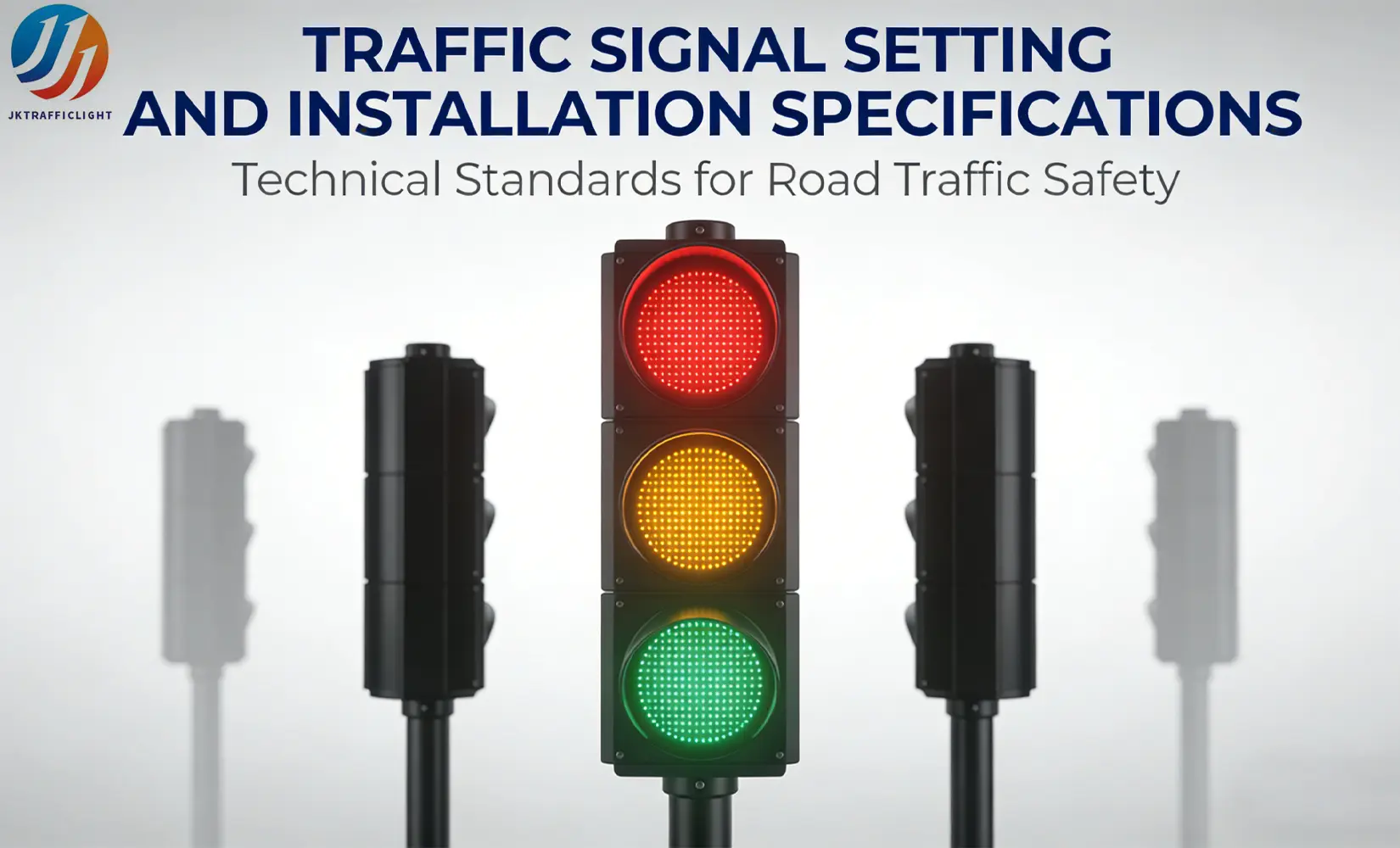
Motor vehicle traffic lights: Used to indicate the passage status of motor vehicles, usually including red, yellow, and green lights.
Non-motor vehicle traffic lights: Traffic lights specifically designed for non-motorized vehicles (such as bicycles and electric bicycles).
Pedestrian traffic lights: Used to indicate the passage status of pedestrians crossing the road, usually using red and green lights.
Directional indicator traffic lights: Used to indicate traffic flow in a specific direction, usually used in conjunction with motor vehicle traffic lights.
Lane traffic lights: Used to indicate the passage status of a specific lane, commonly found on multi-lane roads.
II. Placement Principles of Traffic Lights
- Safety Principle:The placement of traffic lights should first ensure traffic safety and avoid traffic accidents caused by improper placement.
- Efficiency Principle:Traffic lights should be installed to improve road traffic efficiency and reduce traffic congestion.
- Coordination Principle:Traffic lights should be installed in harmony with surrounding traffic facilities, traffic flow, and road conditions to ensure smooth traffic flow.
- Visibility Principle:Traffic lights should be placed in locations easily visible to drivers and pedestrians to ensure timely
- communication of traffic information.
Adaptability Principle:Traffic lights should be designed to adapt to changes in traffic volume and time of day, possessing a degree of flexibility and adjustability.
Installation Height: The installation height of traffic lights for motor vehicles is generally 5.5 to 6.5 meters to ensure drivers can clearly see the lights from their normal driving position. The installation height of traffic lights for non-motorized vehicles is generally 2.5 to 3.5 meters to facilitate observation by non-motorized vehicle drivers. The installation height of traffic lights for pedestrians is generally 2.0 to 2.5 meters to facilitate observation by pedestrians.
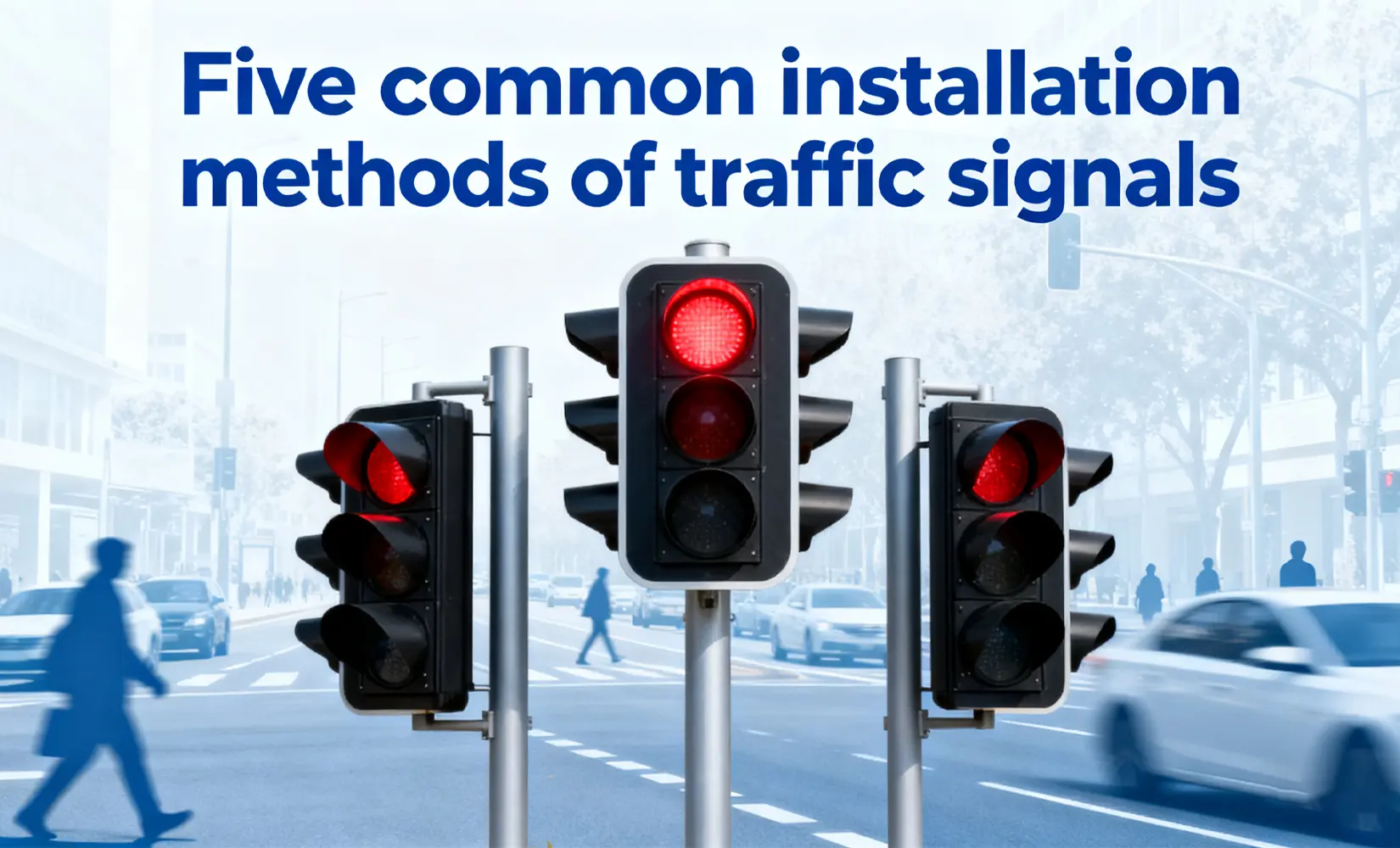
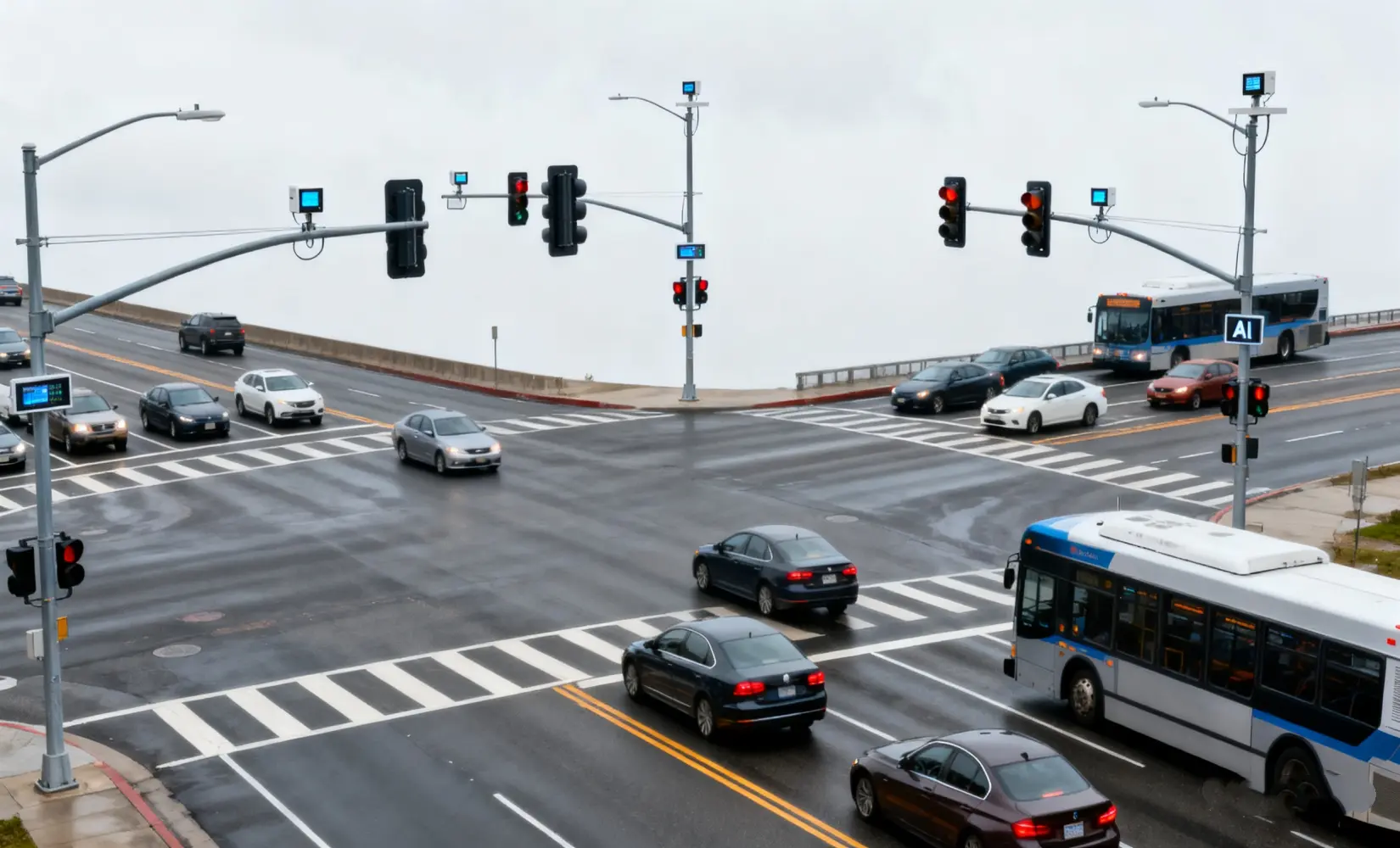
Installation Location: Traffic lights should be installed in front of the approach lanes of intersections to ensure drivers and pedestrians can see the lights before entering the intersection. Traffic lights should be kept out of obstruction by buildings, trees, etc., to ensure visibility. At complex intersections, multiple traffic lights should be installed to ensure that traffic flows in all directions can clearly see them.
Traffic light colors and shapes: Traffic light colors should conform to national standards: red for stop, yellow for warning, and green for go. The shapes of the lights should be uniform: circular lights indicate straight ahead and left turns, while arrow lights indicate traffic flows in specific directions.
Traffic light brightness: The brightness of traffic lights should be moderate; they should not be too bright to dazzle drivers, nor too dim to make them difficult to see. Traffic lights should have a certain degree of interference resistance to ensure clear visibility even in strong sunlight, rain, snow, or other adverse weather conditions.
Traffic light synchronization: At intersections, traffic light changes in all directions should be synchronized to avoid traffic chaos caused by asynchronous signals. The traffic light control system should have a certain degree of intelligence, capable of automatically adjusting the timing of the lights based on real-time traffic flow.
Traffic Light Maintenance: Traffic lights should be inspected and maintained regularly to ensure their normal operation. Key components such as bulbs and controllers should possess a certain degree of durability to reduce the failure rate.
The installation and setting of traffic lights is a crucial aspect of urban traffic management; their rationality and scientific approach directly affect traffic safety and efficiency. In practice, installation should strictly adhere to relevant specifications and standards to ensure the safety, visibility, coordination, and adaptability of traffic lights. Simultaneously, the maintenance and management of traffic lights are also essential. Only through continuous maintenance and management can the long-term stable operation of traffic lights be ensured, providing a strong guarantee for smooth and safe urban traffic.