





Five common installation methods of traffic signals
Traffic signalsare indispensable traffic management facilities in daily life. They are used to direct traffic flow and are generally composed of red lights, green lights and yellow lights. A red light indicates no passage, a green light indicates passage, and a yellow light serves as a warning. The installation of traffic signals is conducive to strengthening road traffic management, improving road utilization efficiency, enhancing traffic conditions and reducing the occurrence of traffic accidents. They not only help improve road traffic efficiency, but also effectively enhance traffic order and reduce the accident rate. Now, JKTRAFFICLIGHT, A Traffic Signal light manufacturer, will introduce several common installation methods of traffic signals to you.
1. Column installation
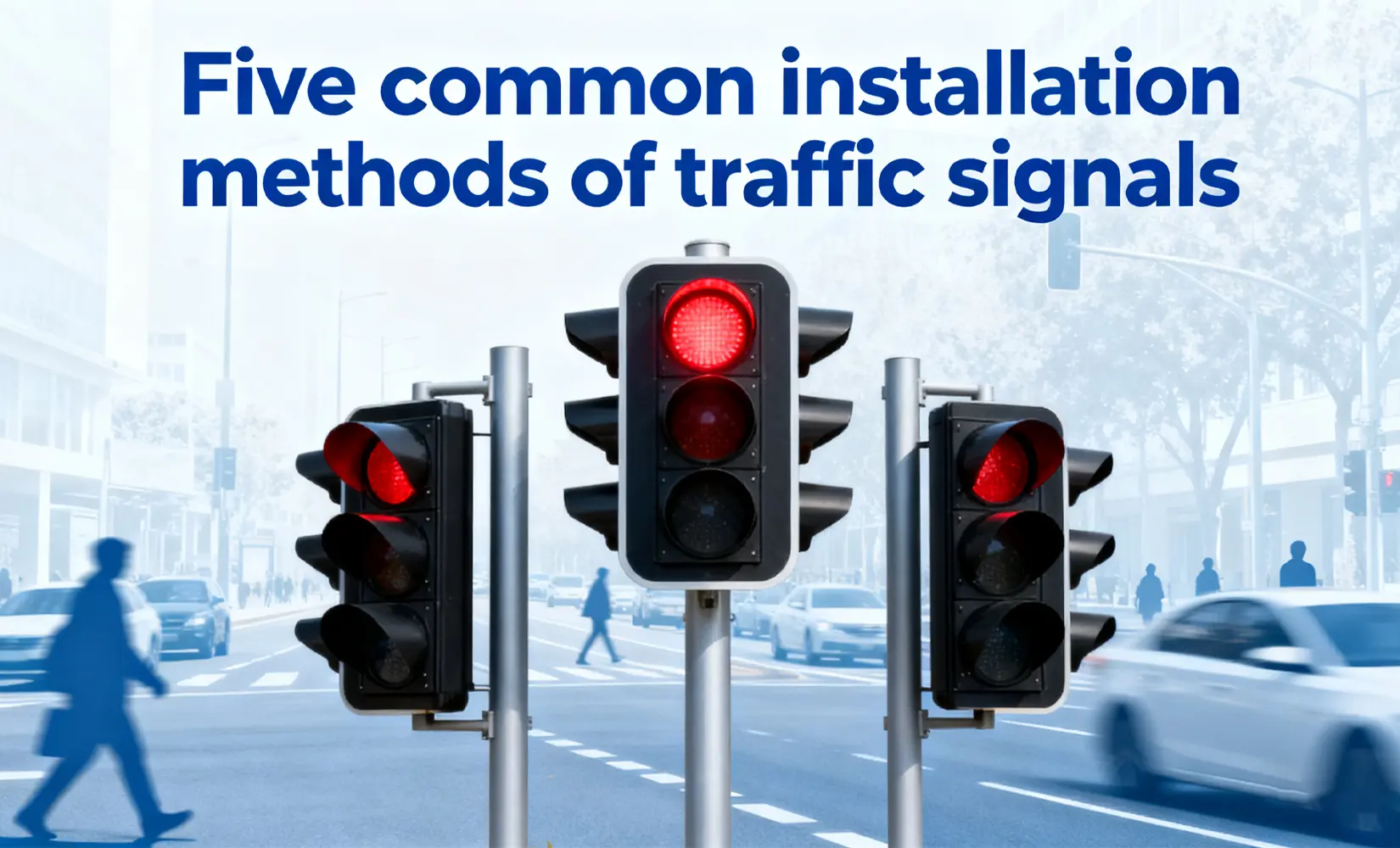
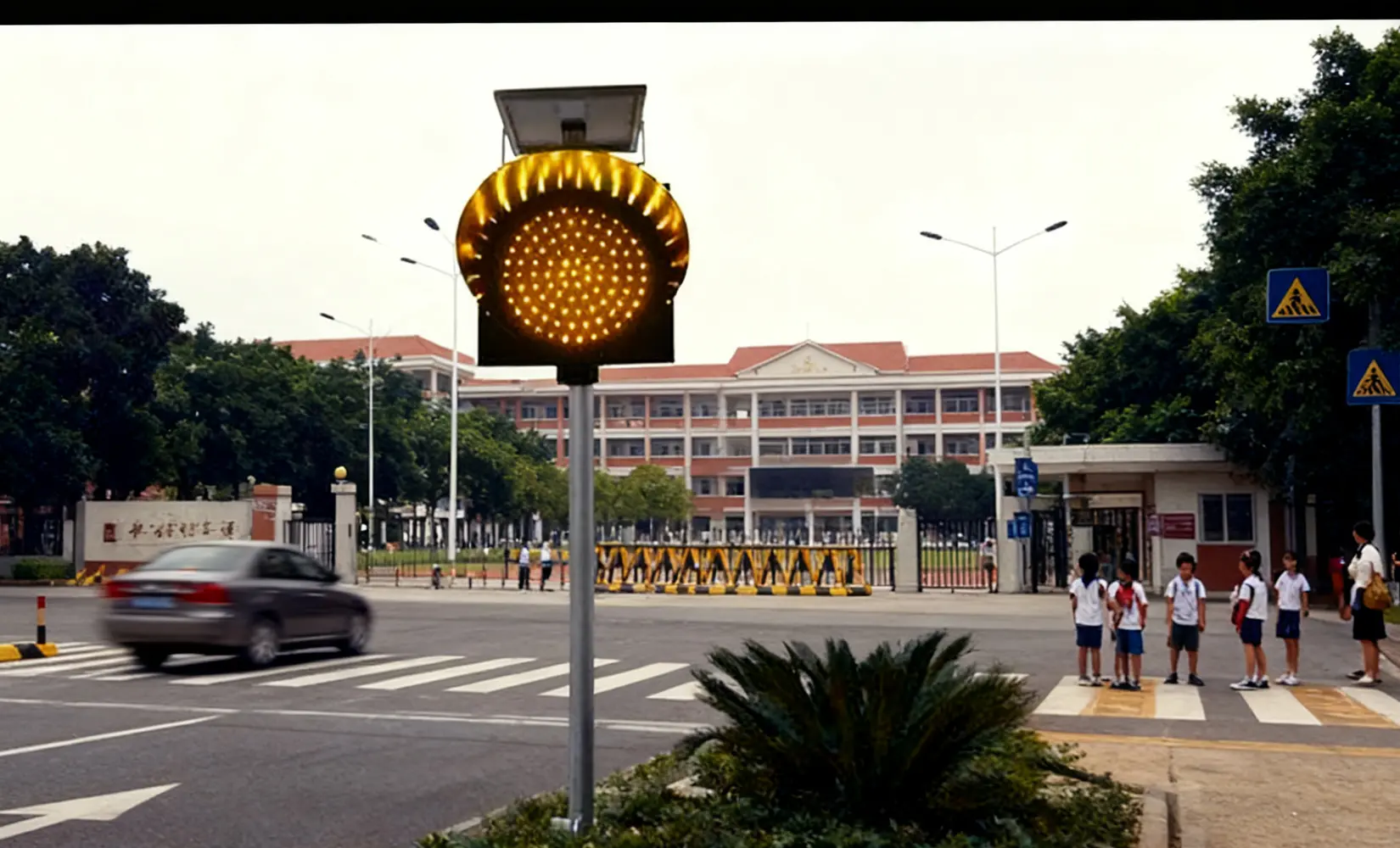
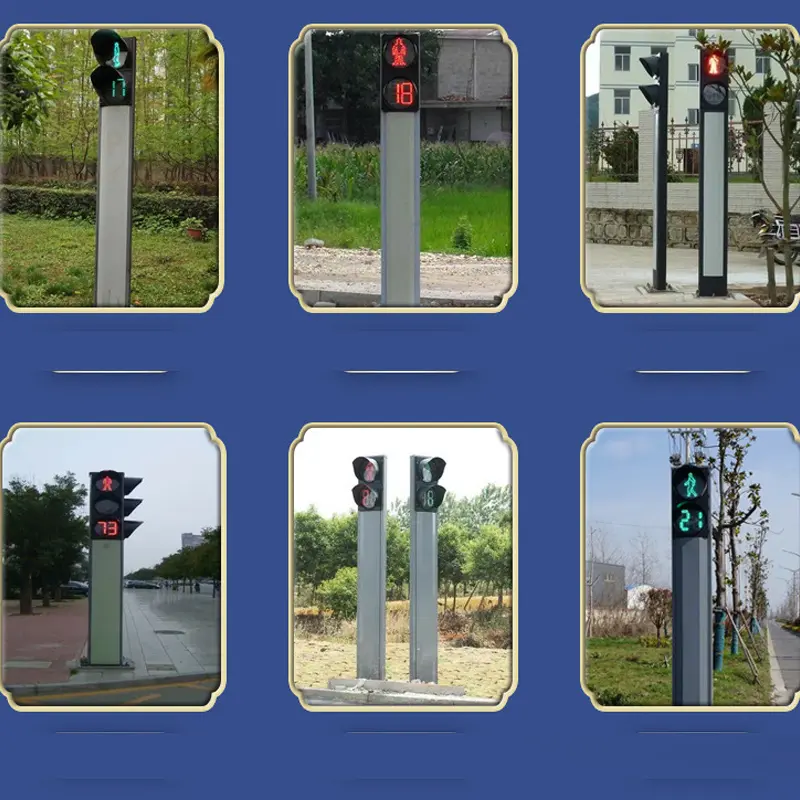
Column-mounted installation involves directly installing traffic signals on upright lamp posts. It features a simple structure and relatively low cost. Traffic signals installed in a column-mounted manner are generally used as auxiliary signals and are typically placed on both sides of the entrance/exit lanes or beside non-motorized vehicle lanes and pedestrian crossings.
Picture example:
2. Portal installation
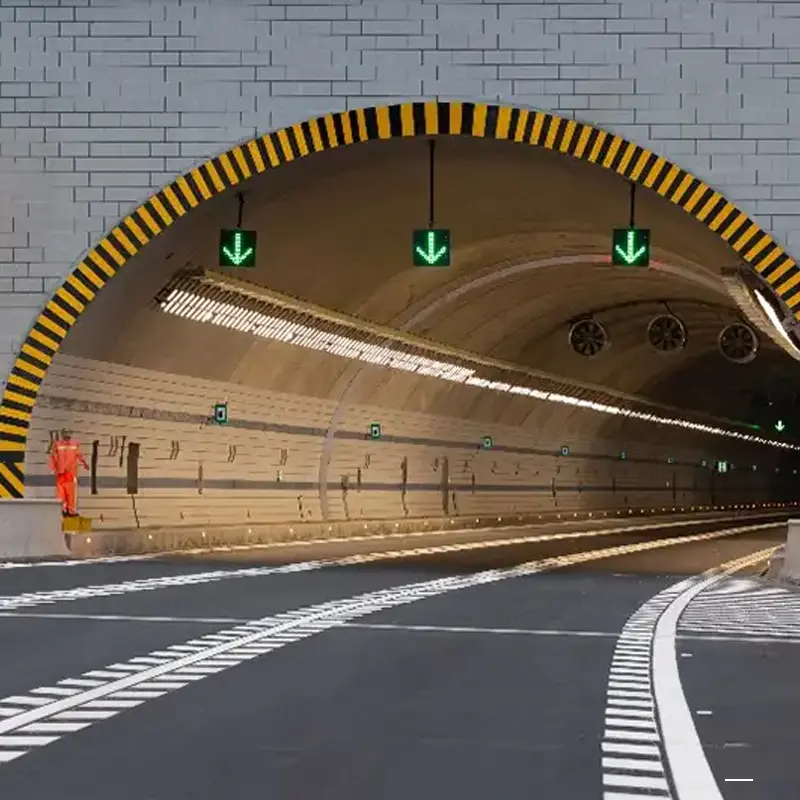
Portal installation involves installing signal lights through a portal frame spanning the road, which has a wide coverage and strong wind resistance. Portal installation traffic signal lights are suitable for installation and use at tunnel entrances, highway toll stations or above lanes changing directions.
Picture example:
3. Cantilever installation
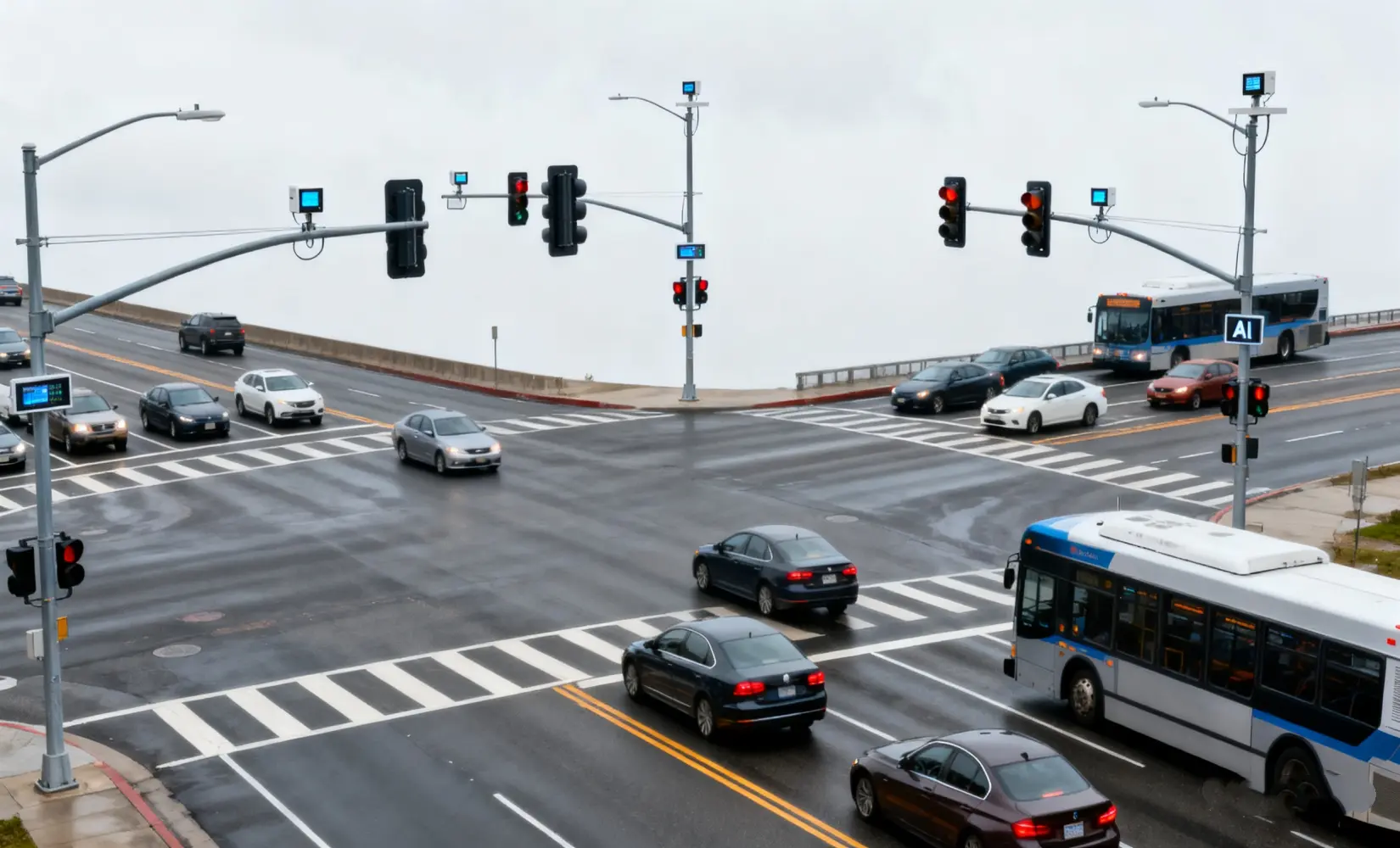
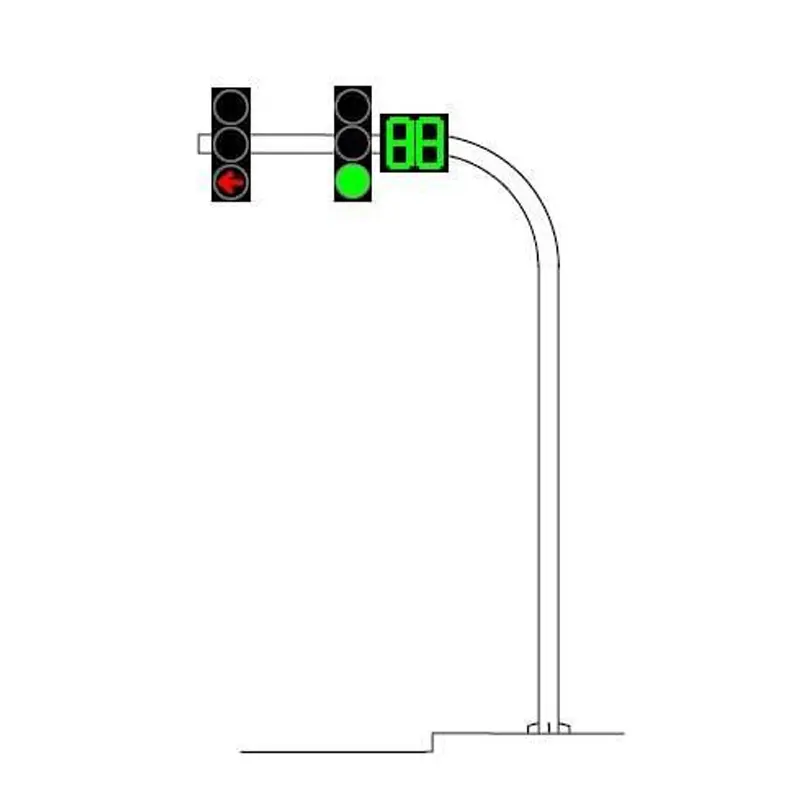
Cantilever installation refers to the installation of traffic signals on long-arm lamp poles, which extend from one side of the road to the upper part of the lane through the long arm poles, meeting the complex control requirements of multi-phase intersections. Long arm rods can be classified into different types based on the connection between the horizontal cantilever and the vertical rod, such as flange connection method (where the cantilever and the vertical rod are fixed by bolts for easy maintenance), combination connection method of cantilever clamps and upper pull rods (enhancing stability through clamps and pull rods, suitable for long cantilevers), and direct bending of the vertical rod without connection method (integrated design, aesthetically pleasing but difficult to transport). It is usually used on main roads, wide roads or complex intersections.
Picture example:
4. Attached installation
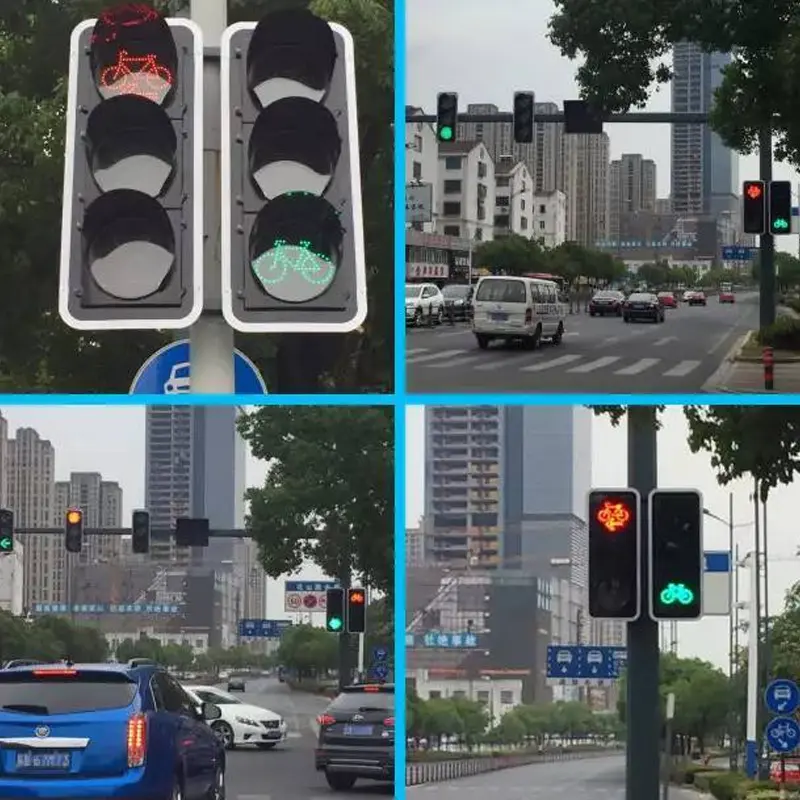
Traffic signal lights are installed on the horizontal arm of the cantilever type, and the signal lights on the vertical pole can be installed vertically as auxiliary signal lights. The attached traffic signal lights are attached to the existing structure (such as Bridges, vertical poles of the cantilever), saving space and are usually used as signal lights for pedestrians or non-motorized vehicles.
Picture example:
5. Central installation type
A cantilever extending to the center of the intersection is adopted, on which signal lights for controlling multiple directions are installed on the central guard booth of the intersection. There are two installation methods: central cantilever (the long arm extends from the center of the intersection to the periphery) and central guard booth (the signal light is integrated on the top of the guard booth). Centrally installed traffic lights are often seen at large roundlets, multi-fork intersections or complex transportation hubs that require efficient coordination.
Picture example:
