How to Understand Traffic Signals for Safe Driving?
Understanding traffic signals is crucial for safe driving. According to the Federal Highway Administration, nearly 50% of crashes occur at intersections, highlighting the need for drivers to master traffic signal rules. A well-functioning traffic signal can decrease accidents by 30% in urban areas. Yet, many drivers remain unaware of the nuances of these signals.
Each traffic signal has distinct colors and meanings. Red signals indicate a complete stop, while green allows for movement. Yellow cautions drivers to prepare to stop. However, some drivers misinterpret these signals, especially under pressure. The National Highway Traffic Safety Administration reports that improper understanding leads to thousands of accidents yearly.
It’s essential to reflect on personal driving habits, especially regarding traffic signals. Complacency can cloud judgment. Moreover, distractions can lead to missed signals altogether. An effective driver should learn the correct actions for each signal. By improving their understanding, drivers not only ensure their safety but also contribute to overall road safety.
Understanding the Purpose of Traffic Signals
Traffic signals play a crucial role in maintaining order on the road. They
regulate the flow of vehicles and pedestrians, ensuring everyone’s safety.
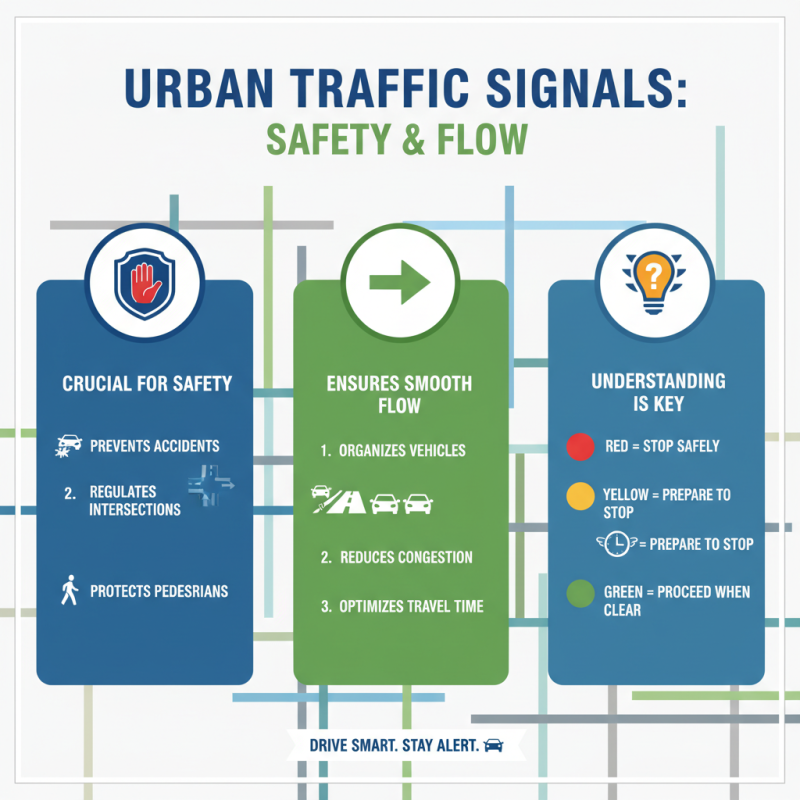
Red means stop.
Green means go.
Yellow cautions you to prepare to stop.
These signals help prevent accidents and keep traffic moving smoothly.
Understanding these signals is more than just following rules. It involves paying attention to your surroundings.
Drivers must react appropriately depending on the light. Sometimes, people ignore signals, thinking they can
speed through a yellow light. This behavior can lead to dangerous situations.
Reflecting on your driving habits is essential.
Pedestrians also rely on signals to cross streets safely. A walking signal indicates it's their turn.
However, some might rush to cross even when the light isn't in their favor.
This can create dangerous scenarios for everyone involved.
Each road user must respect the signals for a safer environment.
Types of Traffic Signals and Their Meanings
Traffic signals are crucial for safe urban driving. Understanding them can prevent accidents and ensure smooth traffic flow.
Red lights mean stop. Drivers must halt completely, even if the way seems clear. Yellow lights signal caution. They advise drivers to prepare to stop, but remnants of hesitation might occur. Some may speed up to clear the intersection, which can lead to dangerous situations. Green lights allow movement, but checking for pedestrians is essential before proceeding.
Tips: Always look both ways before crossing intersections. Many drivers misjudge their surroundings. Always respect the pedestrian signals as well. They are there for safety, both yours and theirs. Some drivers forget to yield at pedestrian crossings, leading to near misses.
Understanding arrow signals is also important. A green arrow permits movement in the indicated direction. Conversely, a red arrow prohibits it. Ignoring these can result in accidents. Reflecting on your driving habits can help improve your skills. Notice when you rush through yellow lights and try to change that behavior. Safety is always the priority.
How to Properly Respond to Traffic Signals
Understanding traffic signals is crucial for ensuring safety on the road. When you approach a traffic light, observe the colors closely.
Red means stop. Yellow signals caution, indicating that the light may soon change. Green allows you to proceed, but always double-check for pedestrians or cyclists.
Tips: Always stop at the red light. Some drivers tempt fate by rushing through.
Don't be one of them. Be mindful and patient, even in a hurry.
When encountering a flashing yellow light, slow down. It indicates you should proceed with caution. Many drivers misinterpret this signal and drive too fast. Watch for others at intersections, as they may not be as vigilant.
Tips: If your light turns yellow while you’re close to the intersection, make a decision. Don't slam on your brakes and risk an accident.
Think quickly. Stay alert to unexpected situations.
Common Misconceptions About Traffic Signals
Traffic signals play a crucial role in road safety, yet many misconceptions persist. One common myth is that a yellow light means speed up. In reality, it signals that the light is about to change. According to the National Highway Traffic Safety Administration (NHTSA), over 40% of drivers misunderstand this vital signal, leading to dangerous situations.
Another misconception involves red lights. Some drivers think they can turn right on red without stopping. While this is permitted in many areas, it requires a complete stop first. The American Motorists Association found that over 30% of accidents occur during such turns due to impatience or neglecting to check for pedestrians. Ignoring this rule can have serious consequences.
Understanding these signals helps prevent accidents. The Federal Highway Administration indicates that clear comprehension of traffic signals could reduce intersection collisions by 25%. Misinterpretations undermine our safety and the safety of others. Drivers must take a moment to reflect and ensure they understand signal meanings. Safe driving relies on knowledge, awareness, and responsibility for everyone's well-being.
Traffic Signal Compliance Rates by Color
This chart illustrates the compliance rates of drivers with traffic signals, where red signals have an 85% compliance rate, yellow signals have a 70% compliance rate, and green signals have a 90% compliance rate. Understanding these metrics can help in promoting safer driving habits and clearer communication regarding traffic laws.
Tips for Safe Driving Around Traffic Signals
Understanding traffic signals is vital for safe driving. Familiarize yourself with the colors: red means stop, yellow warns, and green signals go. However, drivers often misinterpret short yellow lights. It's not always clear when to stop or proceed. Be cautious if you see a yellow light near an intersection. It's better to slow down than rush through.
When driving around traffic signals, remain vigilant. Watch for pedestrians and cyclists. They may not always follow the rules. You should be prepared to stop suddenly. Use your mirrors and check blind spots. It’s common to overlook these areas when focused on signals.
Take a moment to evaluate your own reactions at traffic signals. Do you ever get distracted by your phone or other passengers? This can lead to missed signals or delayed responses. Create a habit of scanning for changes in light and movement around you. Safe driving is about awareness and patience. Every intersection is unique, and your attention can prevent accidents.