How to Understand Traffic Signals and Road Signs Effectively?
Understanding traffic signals and road signs is essential for safe driving. Dr. Emily Johnson, a renowned traffic safety expert, once stated, "Clear communication through signals can save lives." This illuminates the critical role that Traffic Signal And Road Signs play in our daily commutes.
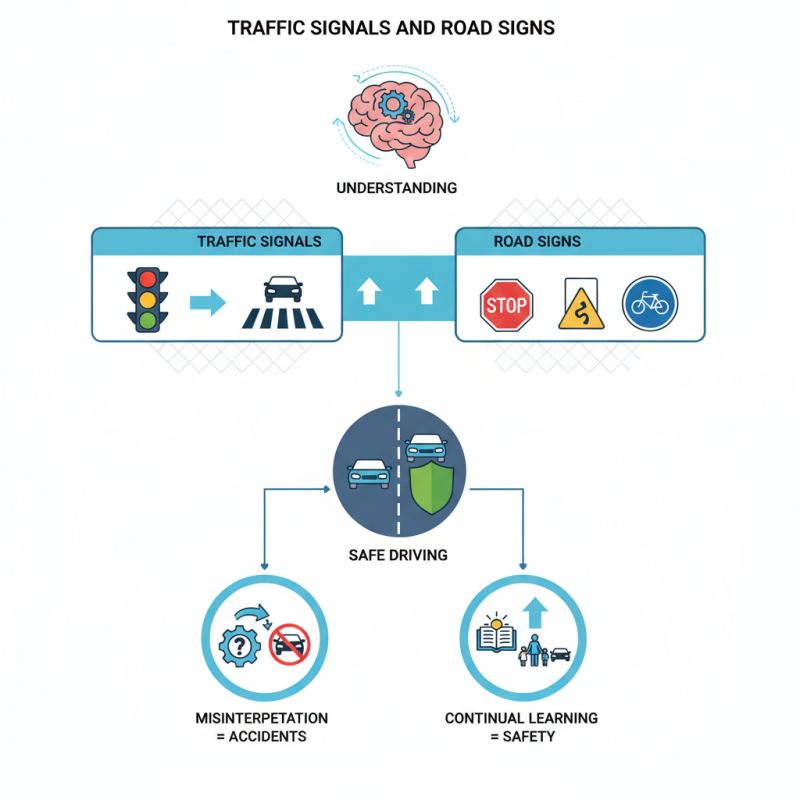
Navigating the roads requires a keen understanding of these signals. They guide drivers, cyclists, and pedestrians, providing vital information about right of way, speed limits, and hazards. Misinterpretation can lead to accidents. Take a moment to consider: how often do we truly comprehend these signs? Their meanings are sometimes overlooked.
Moreover, not all signals are created equal. Some can be confusing, especially in complex intersections. Drivers may misread a flashing light or an ambiguous sign. This highlights a need for continual learning. Familiarizing ourselves with Traffic Signal And Road Signs is not just beneficial—it's essential for our safety and that of others. Every journey we take can be improved with better understanding and respect for the road.
Understanding the Importance of Traffic Signals and Road Signs
Traffic signals and road signs play a crucial role in ensuring road safety. They guide drivers, cyclists, and pedestrians by providing essential information. Understanding these signals is vital for everyone on the road. Traffic signals use colors and shapes to convey their messages clearly. For instance, a red light means stop, while a green one means go. Simple, right? Yet, many still get it wrong.
Tips: Always pay attention to the timing of signals. Sometimes, they change faster than expected. Stay alert, especially at intersections where mistakes can lead to accidents. Recognize that signs can vary slightly in different locations. A stop sign might look different, but its purpose remains the same.
Road signs also provide important warnings. Curves, pedestrian crossings, and speed limits are examples that should never be ignored. An overspeeding driver might react too late when they spot a speed limit sign. Be mindful of weather conditions. Rain or fog can reduce visibility, making signs harder to see. Reflect on your driving habits. Are you always aware of the signs around you?
How to Understand Traffic Signals and Road Signs Effectively? - Understanding the Importance of Traffic Signals and Road Signs
| Signal/Sign Type |
Description |
Meaning |
Important Notes |
| Red Light |
Indicates stop. |
Stop and wait for the green signal. |
Do not proceed until the light turns green. |
| Green Light |
Indicates go. |
Can proceed with caution. |
Make sure the intersection is clear before moving. |
| Yellow Light |
Indicates caution. |
Prepare to stop. |
If you cannot stop safely, proceed with caution. |
| Stop Sign |
Indicates stop at intersection. |
Come to a complete stop. |
Yield to pedestrians and cross traffic. |
| Yield Sign |
Indicates to yield to other traffic. |
Slow down and give way to traffic. |
Only proceed when safe. |
| Speed Limit Sign |
Indicates maximum speed allowed. |
Must not exceed this speed. |
Speed limits vary based on conditions. |
| One Way Sign |
Indicates traffic flows in one direction. |
Must travel in the direction indicated. |
Violating this can lead to serious accidents. |
Types of Traffic Signals: Color Codes and Their Meanings
Traffic signals use color codes to guide drivers. Each color has a specific meaning.
Red signals stop. It’s crucial to halt at a red light. Running a red light can lead to accidents.
Yellow means caution. This is your warning. Prepare to stop if it’s safe. Many drivers speed up during the yellow light. This can cause danger.
Green signals go. However, check for pedestrians and cyclists before moving. It's common to miss unexpected road users.
Understanding shapes is also helpful. A red octagon always means stop.
Yellow diamonds warn of hazards ahead.
Blue signs provide information about services.
Misinterpreting these signs can lead to confusion. Sometimes, road signs get obscured by trees or dirt.
Drivers need to stay alert. Ignoring these visuals can result in fines or worse.
Practice recognizing these signals. Regular exposure enhances memory. You might find it challenging initially, but improvement comes with time.
Common Road Signs: Shapes and Their Significance
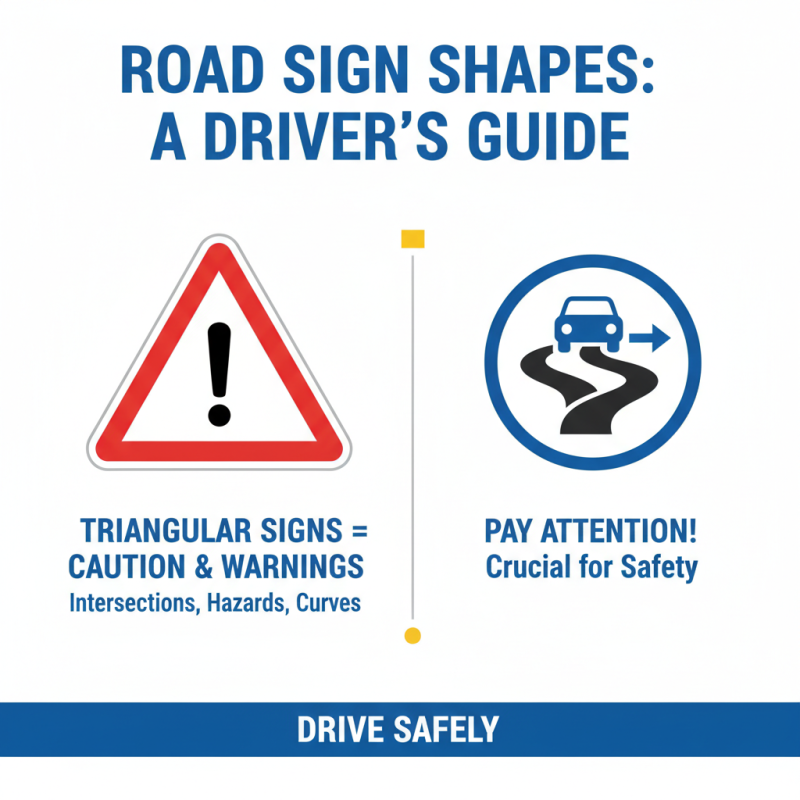
Understanding road signs is crucial for safe driving. Each sign has a unique shape that conveys important information. For instance, triangular signs often indicate caution or warnings. These are crucial at intersections or areas with potential dangers. Drivers should pay close attention.
Round signs, often a bit neglected, typically indicate speed limits or upcoming hazards. Their significance shouldn't be overlooked. Square or rectangular signs provide directions or informative content. A common mistake is ignoring these signs, especially in unfamiliar areas. They guide traffic flow and help avoid confusion.
Colors also play a vital role in road sign recognition. Red signals an immediate stop or prohibition, while green indicates permission or direction. Misinterpreting these colors can lead to dangerous situations. It's essential to refresh our knowledge about these signs regularly. There’s always something new to learn.
How Traffic Signals and Signs Work Together for Safety
Understanding how traffic signals and road signs work together is essential for road safety. Traffic signals control vehicle movement at intersections. They manage the flow of cars, bikes, and pedestrians. Red means stop, green means go. Yellow signals caution, urging drivers to slow down. These signals often work alongside road signs to enhance visibility and rules.
Road signs provide critical information. They indicate speed limits, warn of hazards, and guide route navigation. For instance, a stop sign requires full stops, while a yield sign allows merging traffic to proceed with caution. When signals and signs align, they create a clearer driving environment. Yet, confusion can arise when drivers overlook signs or misinterpret signals. Distracted driving contributes to misunderstandings.
Enhancing awareness of both signals and signs promotes safety. Drivers must remain attentive to changes in traffic control devices. Implementing good habits can mitigate risks. Observing surroundings and anticipating traffic patterns is key. Road safety requires cooperation among all users. Every driver plays a role in maintaining a secure environment. Mistakes happen; learning from them is vital.
Tips for Recognizing and Responding to Signals and Signs
Traffic signals and road signs are crucial for safe driving. Recognizing them can reduce accidents. Studies indicate that over 90% of road users rely on visual cues. Yet, many drivers misinterpret signs. A report found that misunderstanding traffic signals contributes to 30% of urban accidents. Clear comprehension is vital.
To respond effectively, familiarize yourself with typical signs. Speed limits, stop signs, and pedestrian signals are common. Interestingly, more than 50% of drivers fail to notice a changed speed limit. This oversight can lead to costly fines or accidents. Regularly practicing with mock scenarios may improve response times.
Pay attention to color and shape. Red indicates stop, while green means go. However, color blindness can complicate recognition for some individuals. Statistics show that about 8% of men and 0.5% of women have color vision deficiencies. Awareness of your visual capabilities is important. Adjust your driving habits accordingly.
Understanding Traffic Signals and Road Signs Effectively