Top Speed Detector Tools for Accurate Speed Monitoring?
In the world of road safety, speed monitoring plays a crucial role. Experts emphasize the importance of using reliable tools. Dr. John Speedwell, a renowned speed detection specialist, once said, "Accuracy in speed monitoring can save lives." This highlights the significance of effective Speed Detector tools.
Choosing the right Speed Detector can be challenging. Various options are available, each with unique features. Users often struggle with what suits their needs best. Some devices may have advanced technology but can be expensive and complex. Others may lack precision but offer simplicity.
Reflecting on personal experiences can also be enlightening. Many users have faced difficulties getting accurate readings. There may be moments of frustration when the device doesn’t work as expected. Such challenges remind us to evaluate our choices critically. Speed Detector tools are essential, yet embracing their limitations is equally important.
Overview of Speed Detector Tools and Their Importance in Traffic Safety
Speed detector tools are essential for monitoring traffic speeds effectively. These devices help ensure that motorists adhere to speed limits. In turn, this contributes to safer roads for everyone. Accurate data from these tools allows law enforcement to address speeding issues promptly. It also aids in educating drivers about safe driving practices.
The importance of speed detector tools extends beyond enforcement. They play a crucial role in accident prevention. For example, knowing the average speed in a specific area can guide traffic management decisions. This data can identify high-risk zones that may require additional signage or signals. However, reliance on technology alone isn't foolproof. There can be inaccuracies influenced by environmental factors. Hence, periodic calibration and maintenance are necessary for trustworthy readings. Observations and feedback from local communities also offer valuable insights, reminding us that we must continuously adapt our approaches to ensure safety.
Types of Speed Detector Tools: From Radar Guns to GPS Technology
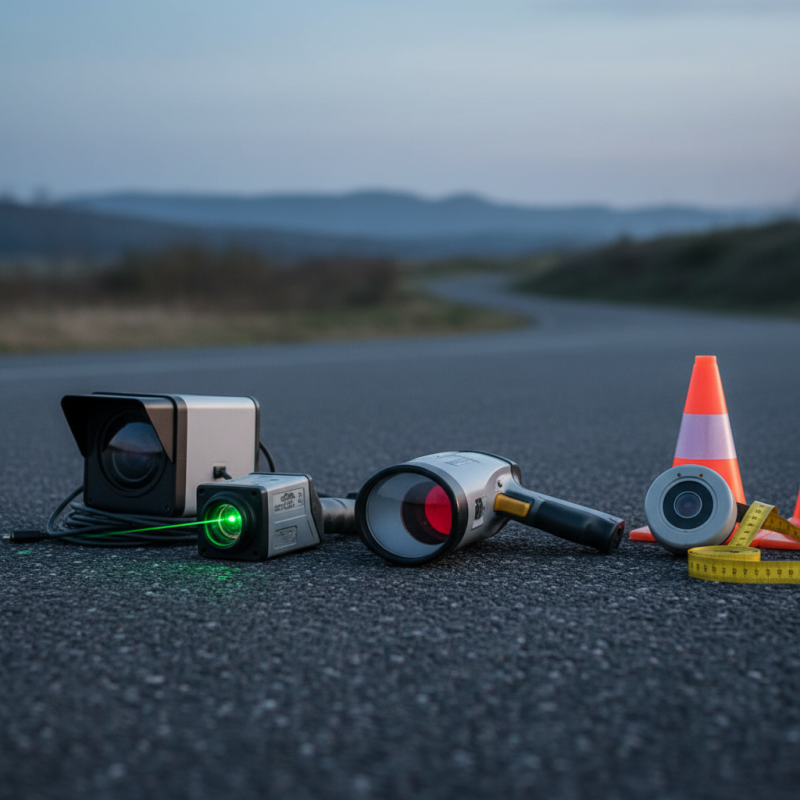
In today’s fast-paced world, accurate speed monitoring is essential, especially for law enforcement and transport sectors. Various types of speed detector tools are utilized, each with unique benefits and limitations. Radar guns are a common choice. They can instantly measure a vehicle’s speed and are highly accurate. The technology is reliable but may face challenges in extreme weather conditions.
GPS technology has gained popularity. It provides real-time data and offers mapping features. Studies show that GPS can track speeds with up to 95% accuracy. However, reliance on satellite signals can be problematic in urban areas or tunnels. A hybrid approach could offer enhanced reliability.
Tips for effective monitoring: Ensure your speed detection device is calibrated regularly. Regular maintenance can greatly improve accuracy. Also, training personnel in correct usage is vital. Misuse can lead to incorrect readings. Keeping records of all readings aids in identifying patterns and potential issues over time.
Top Speed Detector Tools for Accurate Speed Monitoring
| Type of Tool |
Accuracy |
Range |
Portability |
Cost |
| Radar Gun |
±1 mph |
3000 ft |
High |
$100 - $500 |
| Lidar Gun |
±1 mph |
2500 ft |
Medium |
$200 - $800 |
| GPS Speedometer |
±2 mph |
Unlimited |
High |
$50 - $300 |
| Smartphone Apps |
±3 mph |
Unlimited |
Very High |
Free - $15 |
| Traffic Cameras |
±2 mph |
Fixed Locations |
NA |
Varies |
Key Features to Look for in Effective Speed Monitoring Devices
When selecting speed monitoring devices, key features can greatly impact performance. One essential aspect is accuracy. Devices should offer precise readings to ensure readings are reliable. Users often overlook calibration needs. Regular checks maintain accuracy over time. It’s crucial to ensure your device is always ready.
Another important feature is ease of use. A user-friendly interface can vastly improve the monitoring process. Complicated settings can lead to frustration. Portability also plays a vital role. Devices should be lightweight and easy to handle. Many users crave convenience on the go. Think about battery life as well; devices with longer battery durations are favorable for continuous use.
Finally, look for data recording capabilities. The ability to track speed changes over time offers valuable insights. Some users might struggle with interpreting data. Thus, having visual graphs can help. It’s easy to overlook these details, but they matter significantly. Good speed monitoring devices should provide clarity, making the journey safer and easier.
Top Speed Detector Tools for Accurate Speed Monitoring
Comparative Analysis of Popular Speed Detection Tools in the Market
Speed monitoring is crucial in various fields, from transportation to construction. Many tools are available, but not all are equal. Different devices offer unique features that cater to specific needs. This makes it essential to analyze each tool closely.
Some tools focus on real-time monitoring, providing instant feedback on speed. These devices might not always deliver accurate readings, which can lead to confusion. Others use GPS technology, which can be more precise but may struggle in areas with poor reception. It's vital to consider the environment when choosing a tool.
Cost can also be a significant factor. Some tools come with a hefty price tag, yet fail to deliver the expected accuracy. This creates a dilemma for consumers. Understanding user reviews and performance metrics is essential. Exploring various options means weighing benefits against potential shortcomings. Ultimately, the right speed detection tool depends on the specific requirements and circumstances surrounding its use.
Future Trends in Speed Detection Technology and Its Impact on Road Safety
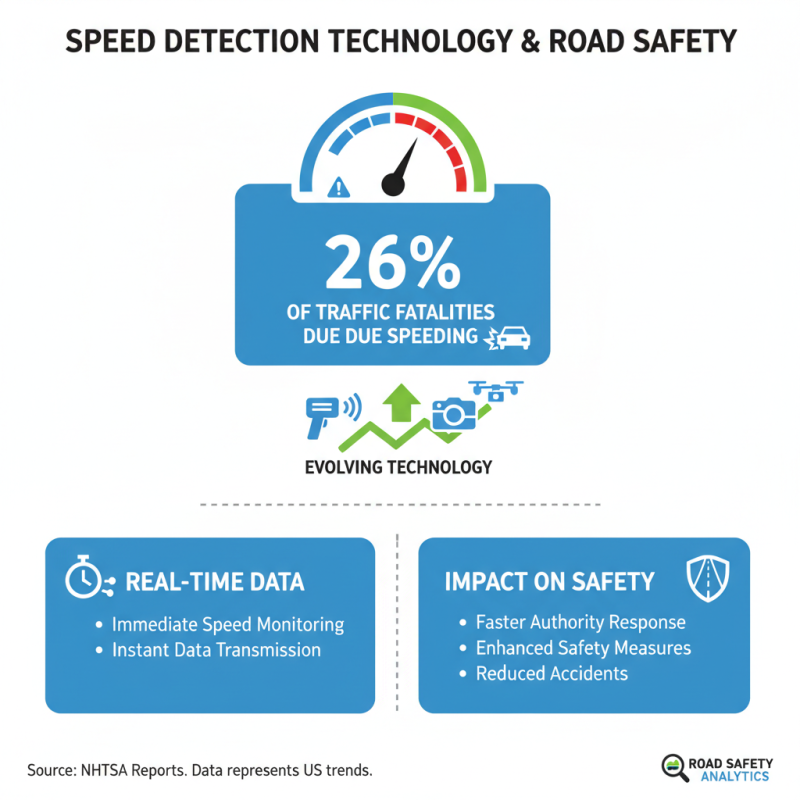
As speed detection technology continues to evolve, its impact on road safety is becoming increasingly significant. Recent reports from the National Highway Traffic Safety Administration highlight that speeding contributes to approximately 26% of all traffic fatalities in the United States. Advanced speed detector tools are now capable of delivering real-time data. This capability allows authorities to respond more effectively and enhance safety measures on roads.
Future trends indicate a shift towards integrated systems using AI and machine learning. These technologies can analyze traffic patterns and predict potential speeding incidents. For example, a recent study projected that smart speed detectors could reduce speeding-related accidents by up to 30% within five years. However, there are potential challenges. Privacy concerns and data accuracy remain critical issues. As detection methods advance, the question of how to balance safety and personal privacy arises.
Innovations such as drone surveillance and smart cameras are also on the rise. While these tools can significantly improve monitoring capabilities, they may require extensive infrastructure changes. Current reports suggest that nearly 40% of jurisdictions are hesitant to adopt new technologies due to budget constraints. The road ahead requires thoughtful consideration of technological capabilities and ethical implications.