Top Strategies for Enhancing Road Safety Awareness and Education?
Road safety is a critical issue affecting communities worldwide. Increased awareness can significantly reduce accidents and fatalities. Education plays a vital role in forming responsible road users. In many cases, individuals lack essential knowledge about safe driving practices and pedestrian rights.
Community engagement and proactive campaigns can bridge this gap. For instance, workshops and interactive programs can create better understanding. However, many initiatives struggle to connect with the audience. It's crucial to identify barriers to effective communication.
Real-life stories of accidents can resonate deeply with people. They can highlight the consequences of reckless behavior. Additionally, consistent messaging and visibility in schools and public spaces enhance awareness. Partnerships with local organizations can amplify these efforts. Yet, challenges remain. Many people may become desensitized to repeated messages. Finding fresh approaches is essential for impactful road safety education.
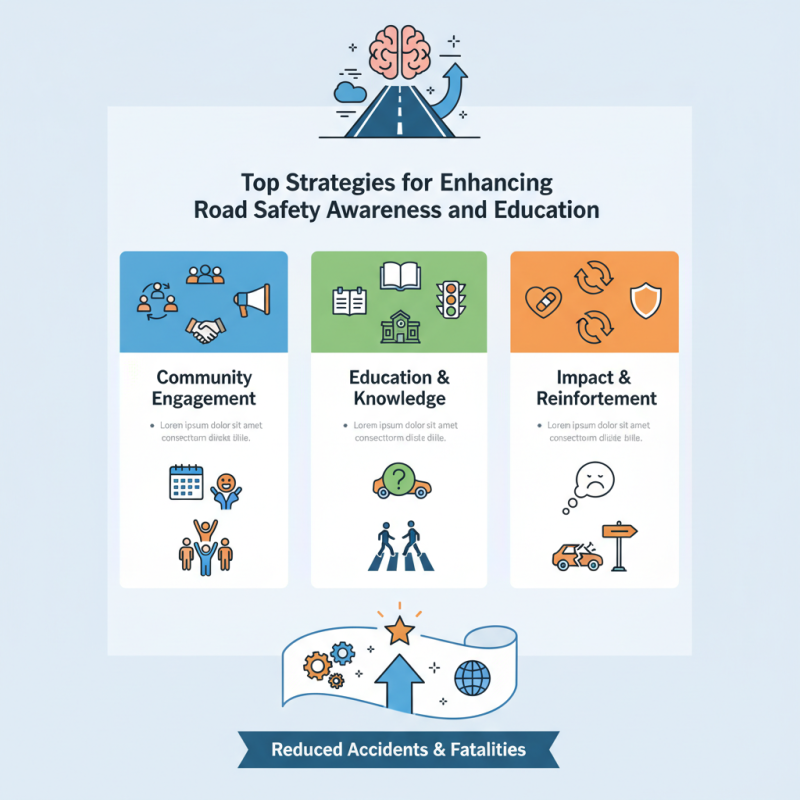
Top Strategies for Enhancing Road Safety Awareness and Education
In today's fast-paced world, enhancing road safety awareness is crucial. Education plays a vital role in shaping responsible drivers and pedestrians. Workshops in schools can instill safe behaviors early. Engaging young minds with interactive sessions fosters a sense of responsibility. Simple visual aids can make complex rules easier to understand.
Community involvement is equally important. Local organizations can host events to promote safety. These gatherings allow families to learn about road rules in a fun environment. Real-life demonstrations of safe crossing practices can leave a lasting impression. Collaborating with local authorities can bring attention to high-risk areas.
However, challenges remain. Not everyone pays attention to campaigns. Some might think they are invincible while driving. There’s a need for consistency in messaging. Road safety education must be ongoing. It should adapt to the audience’s needs. Bright signs and community workshops may not always resonate. Continuous feedback from participants can help refine approaches.
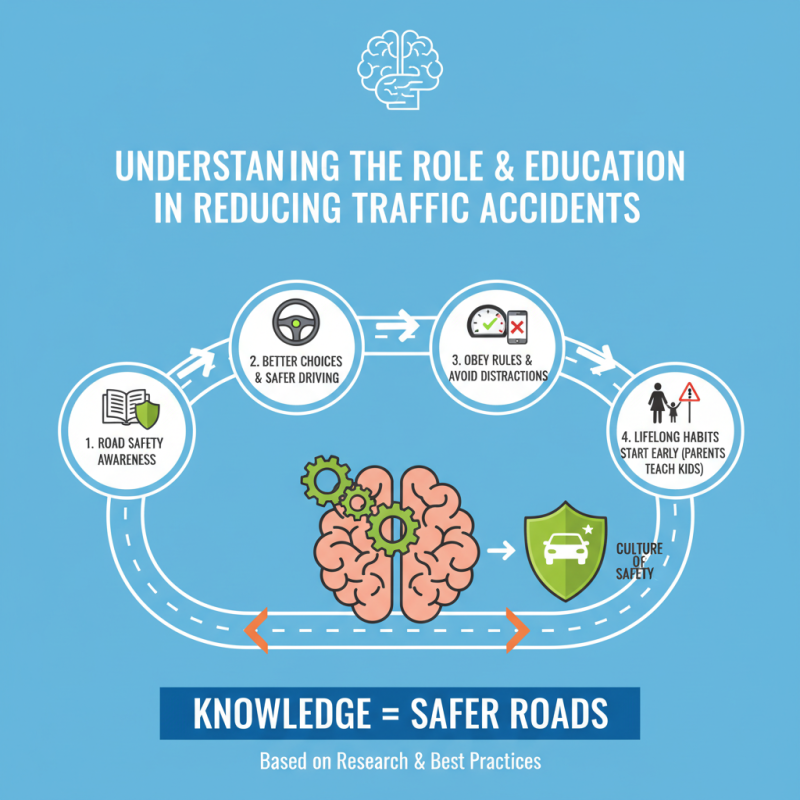
Understanding the Role of Education in Reducing Traffic Accidents
Education plays a crucial role in improving road safety awareness. When individuals understand traffic rules, they make better choices. Comprehensive training can lead to safer driving practices. Research shows that educated drivers are more likely to obey speed limits and avoid distractions. This knowledge creates a culture of safety on the roads. Parents can start by teaching children about traffic signs early. This simple practice can instill lifelong habits.
Community programs can also enhance awareness. Workshops and seminars are effective tools. They provide real-life scenarios that make the lessons memorable. Using simulations to mimic dangerous situations helps participants react appropriately. However, many adults still lack basic road safety knowledge. This gap needs addressing. Engaging local authorities to provide resources can bridge this divide.
Ongoing education is vital. It is not enough to teach once. Road rules may change, and drivers must stay informed. Regular updates through community newsletters can keep everyone aware. Awareness campaigns can engage different demographics, focusing on targeting young drivers. Yet, many campaigns lack the necessary outreach. New strategies are crucial. Understanding the dynamics of human behavior and risks will lead to lasting improvements in road safety awareness.
Effective Community Engagement in Road Safety Campaigns
Effective community engagement is crucial for successful road safety campaigns. Local communities possess unique insights and experiences that can greatly enhance awareness. When people feel connected to a campaign, they are more likely to participate and spread the message. Engaging local leaders, schools, and organizations creates a network of advocates for road safety.
Workshops and interactive events can foster a sense of ownership among residents. For example, organizing community road safety days can draw families out. Children can learn about traffic rules through fun activities, while adults discuss local issues. Feedback from these events is essential. It reveals areas where awareness is lacking and helps refine future initiatives.
Social media plays a significant role in spreading awareness. Platforms can amplify community voices. However, engagement levels might vary. Not everyone is comfortable using technology. This gap requires reflection on how to reach those individuals effectively. Simple flyers or community boards can complement online efforts. Road safety education should be accessible, ensuring everyone feels informed and included.
Leveraging Technology for Improved Road Safety Education
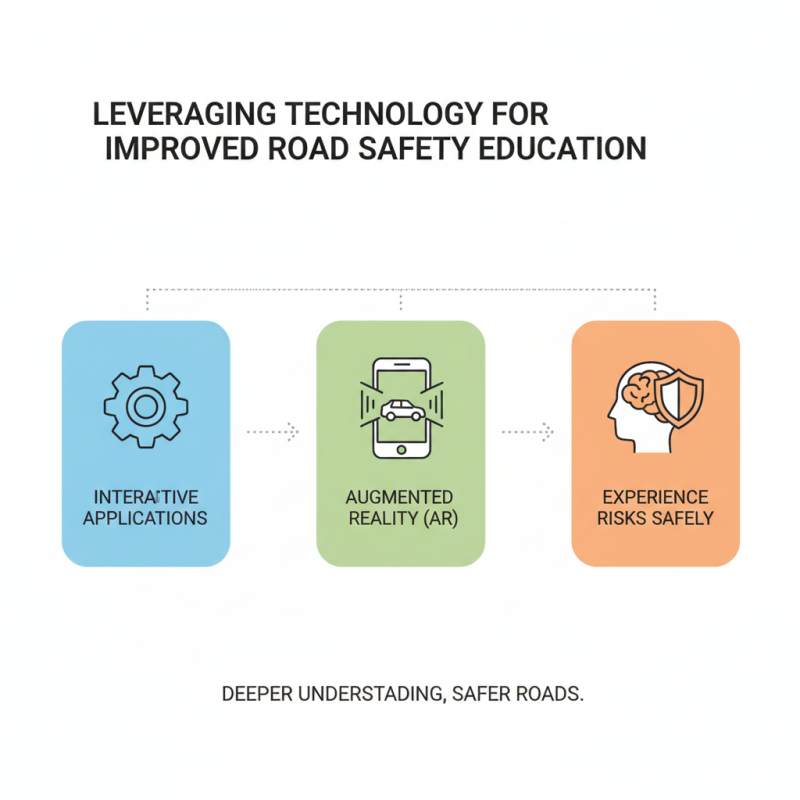
Technology plays a crucial role in enhancing road safety education. By employing interactive applications, we can engage users in a more meaningful way. For example, augmented reality (AR) can simulate dangerous driving scenarios. This allows learners to experience risks without real-world consequences. Such experiences can foster a deeper understanding of road safety.
Online platforms have also transformed how we educate drivers. Webinars, virtual workshops, and e-learning modules offer flexibility. Users can access information at their convenience. Immediate feedback through quizzes ensures that knowledge retention happens. Yet, not all content is engaging. Many courses are overly dry and fail to captivate. This highlights the need for improvement in content delivery.
Social media campaigns amplify the reach of road safety messages. Shareable infographics and videos can create awareness among diverse audiences. These platforms can stimulate discussions around road behaviors and their consequences. However, misinformation can spread quickly. It's essential to source information from reliable experts. Balancing accessibility and accuracy remains a challenge.
Evaluating the Impact of Driver Training Programs on Safety Metrics
Driver training programs play a critical role in enhancing road safety. These programs teach essential skills and knowledge to new drivers. Understanding rules, navigating traffic, and making quick decisions can save lives. Many studies show a correlation between rigorous training and reduced accident rates. When drivers are well-prepared, they are less likely to engage in risky behaviors.
However, not all training programs yield the same results. Some lack a practical approach, focusing too much on theory. This disconnect can leave drivers unprepared for real-world challenges. Reflecting on this gap, many advocates emphasize the need for hands-on experience. Simulations and real-life driving scenarios are vital. They can bridge the divide between knowledge and application.
Another aspect to consider is the ongoing support for drivers post-training. Continuous education and refresher courses can reinforce traffic laws and safety practices. Without this, some drivers might forget critical information over time. Road safety is an ongoing journey, not just a destination. Effective driver training must adapt and evolve, reflecting current road conditions and safety challenges.
Top Strategies for Enhancing Road Safety Awareness and Education - Evaluating the Impact of Driver Training Programs on Safety Metrics
| Strategy |
Description |
Impact on Safety Metrics (%) |
Target Audience |
Duration (Hours) |
| Defensive Driving Course |
Teaches techniques to avoid accidents |
30% |
New Drivers |
8 |
| Traffic Safety Workshops |
Educational sessions about road laws |
20% |
General Public |
2 |
| Interactive Online Training |
Self-paced learning with quizzes |
25% |
Busy Professionals |
5 |
| Simulated Driving Experience |
Virtual simulation of driving scenarios |
40% |
Teen Drivers |
10 |
Conclusion
Enhancing road safety awareness and education is crucial in reducing traffic accidents and promoting safer driving habits. A comprehensive understanding of the role of education can empower individuals with the knowledge necessary to navigate roads responsibly. Effective community engagement in road safety campaigns fosters local support and encourages collective action, ensuring that safety messages resonate with the target audience.
Additionally, leveraging technology can significantly improve road safety education by providing innovative tools and interactive learning experiences. Evaluating the impact of driver training programs on safety metrics is essential to determine their effectiveness and areas for improvement. Furthermore, promoting lifelong learning and continuous improvement in road safety ensures that drivers stay informed about the latest best practices and regulations, ultimately contributing to a safer driving environment for everyone.