What is Road Safety and Why It Matters for Everyone?
Road safety is a crucial issue that affects everyone. Every year, millions of people around the world suffer from road accidents. These incidents lead to loss of life and injury. Understanding road safety can help prevent these tragedies.
The concept of road safety encompasses various aspects. It includes safe driving practices, proper signage, and responsible pedestrian behavior. Despite advancements, many still ignore basic safety measures. Distracted driving and speeding remain common problems. These actions often lead to dire consequences. Individuals must reflect on their habits to improve safety.
Enhancing road safety requires collective effort. Communities, governments, and individuals must prioritize safety. It is not just about rules; it is about respect for life. By working together, we can create safer roads for everyone. Let us consider our roles in making road safety a reality.
What is Road Safety: Definition and Key Principles
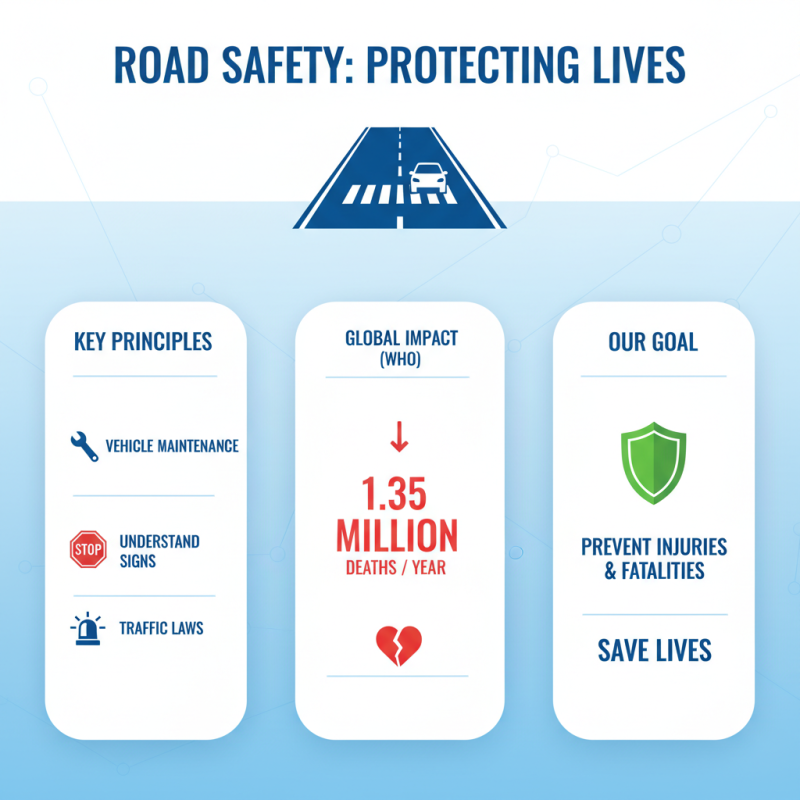
Road safety refers to the measures and practices designed to prevent road users from being killed or seriously injured. Key principles include effective vehicle maintenance, understanding road signs, and adhering to traffic laws. According to the World Health Organization, approximately 1.35 million people die in road traffic crashes each year. This statistic highlights the urgency of road safety.
Awareness is critical. Many drivers may overlook simple safety practices, like using seat belts or checking tire pressure. For instance, the National Highway Traffic Safety Administration reported that about 48% of people killed in crashes were not wearing seat belts. This indicates a lack of basic safety adherence that can often be avoided.
Furthermore, vulnerable road users, including cyclists and pedestrians, face greater risks. In urban areas, nearly 28% of road fatalities are pedestrians. Each trip can pose a threat, yet many remain oblivious to this reality. Educating everyone about safe behaviors is essential. Only through concerted efforts can we challenge existing norms and foster a culture of safety on the roads.
The Importance of Road Safety for Individuals and Communities
Road safety plays a crucial role in our daily lives. It affects individuals and communities alike. Every year, countless lives are lost or changed forever due to avoidable accidents. We often forget the impact of a moment’s distraction or speeding. Simple actions, like wearing seat belts, can save lives. Yet, many still neglect this basic safety measure.
Communities thrive when road safety is prioritized. Streets become safer with better signage and traffic lights. Parents feel secure letting their children walk or bike around. Schools can implement programs to raise awareness. Yet, overcrowded streets can lead to chaos. Drivers often ignore rules, causing frustration and danger. More discussions on safety are needed, especially among young drivers. They need to understand the true risks.
Every accident has a ripple effect. Families are shattered, and friends mourn. It’s not just numbers; it’s real life. Local governments need to invest in better infrastructure. The responsibility lies with everyone. We must reflect on our habits and educate others. Road safety can strengthen community bonds and foster a culture of awareness. Emphasizing safety today will lead to a healthier tomorrow.
Common Causes of Road Accidents and Their Impacts
Road accidents are often caused by common factors.
Distracted driving, for example, is a major issue.
Many people use their phones while driving. This simple act can lead to devastating consequences.
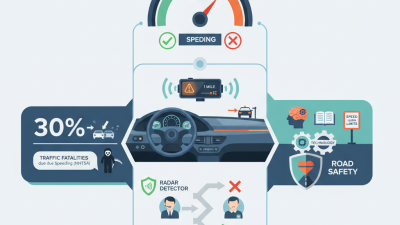
Speeding is another frequent cause. Drivers may feel invincible, but every second counts on the road.
Impaired driving cannot be overlooked. Alcohol and drugs severely hinder judgment and response time.
Just a few drinks can alter one's ability to drive safely. Weather conditions can add to the chaos.
Rain, fog, and ice reduce visibility and make roads slippery. Drivers often underestimate these conditions.
These factors contribute to the larger picture of road safety. Each accident leaves behind a ripple effect.
Families are affected deeply, and communities mourn. Yet, the conversation around road safety often lacks urgency.
We need to reflect on our driving habits. Every small action can lead to a safer journey for all.
Effective Strategies and Policies for Enhancing Road Safety
Road safety is crucial for all road users. Every day, accidents occur due to reckless driving and lack of awareness. Simple distractions can lead to dire consequences. It’s vital to remember that every life lost on the road affects families and communities profoundly.
To enhance road safety, effective strategies must be implemented. Driver training is essential. Many individuals underestimate the importance of defensive driving skills. Education programs can teach drivers about speed limits, blind spots, and the dangers of multitasking behind the wheel.
Traffic enforcement is also key. However, many places lack consistent check-ups. This inconsistency can create a false sense of security among drivers.
Moreover, infrastructure plays a significant role in road safety. Well-lit streets and clear signage are crucial for safe navigation. Unfortunately, many areas remain poorly maintained. This neglect poses risks to pedestrians and cyclists.
While policies exist to improve safety, they often fall short due to lack of funding or public awareness. Continued efforts and community involvement are needed to ensure these policies are enacted effectively.
The Role of Education and Awareness in Promoting Safe Driving
Education and awareness play a crucial role in road safety. They shape how drivers and pedestrians perceive risks. Many people underestimate dangers while driving. Simple actions, like checking mirrors or using signals, can prevent accidents. Yet, these basic habits are often overlooked.
Initiatives to educate drivers about these risks are vital. Workshops and community programs can engage individuals. Sharing real stories highlights the consequences of reckless driving. Visual aids, such as statistics and videos, can make a more profound impact.
Awareness campaigns remind us that road safety is a shared responsibility. Each of us must be vigilant, even on familiar routes.
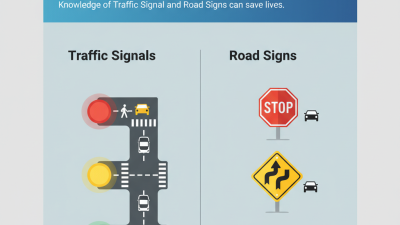
Reinforcing safe habits should start early. Schools can introduce road safety topics to children. Learning about signs and safe crossings is fundamental.
However, adults often forget these lessons. Going back to basics could improve road behavior. It’s a continuous journey of education and reflection. Without a focus on awareness, we let complacency take over.
The road is a shared space, and every small choice matters.