Why You Need a Speed Radar Detector for Safer Driving?
Driving safety is a growing concern worldwide. According to the National Highway Traffic Safety Administration, speeding contributes to nearly 30% of all traffic fatalities in the United States. This alarming statistic highlights the need for tools that can help drivers remain within safe limits. One effective solution is the Speed Radar Detector.
The Speed Radar Detector alerts drivers to nearby speed traps and radar enforcement. This device not only minimizes the risk of accidents but also encourages better driving habits. Reports show that users of radar detectors tend to drive more cautiously, reducing the chance of collisions. However, it is crucial to reflect on the balance between caution and overconfidence. Relying solely on technology might lead to complacency.
To truly enhance road safety, understanding and respecting speed limits should remain a priority. The Speed Radar Detector can be an essential companion, helping drivers stay alert to their surroundings. Remember, while the device aids in preventing speeding tickets, responsible driving is ultimately in the driver's hands.
The Importance of Speed Radar Detectors in Modern Driving Safety
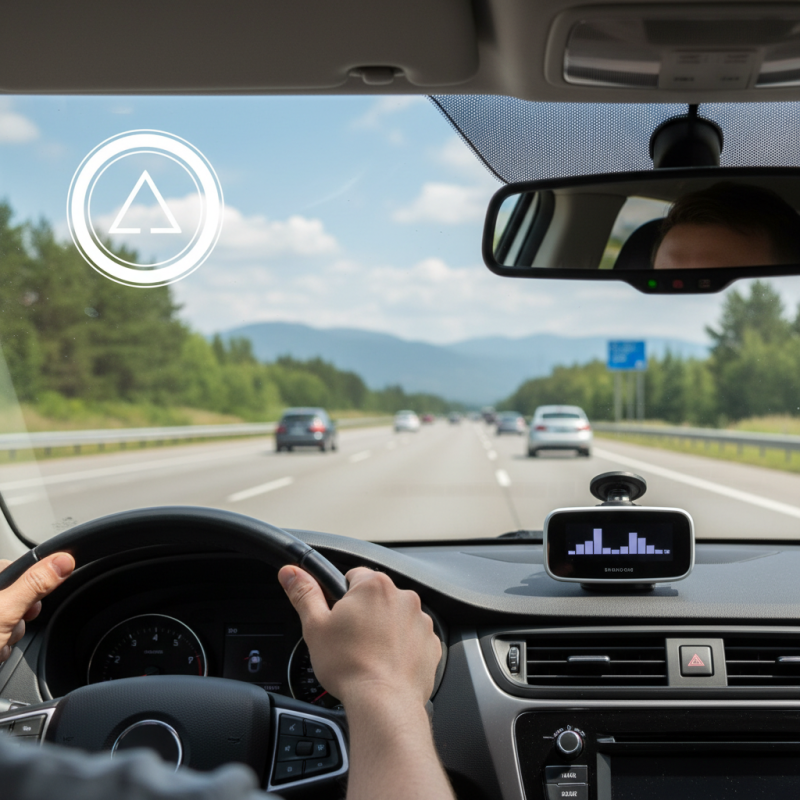
Speed radar detectors play a crucial role in modern driving safety. They alert drivers to potential speed traps ahead, helping to maintain safe driving habits. These devices offer a real-time overview of speed limit changes and enforcement zones, promoting awareness. With distractions on the road, staying focused is vital. Radar detectors serve as a reminder to pay attention to speed limits.
Incorporating a radar detector can reduce the risk of speeding tickets. Less stress about potential fines allows for a more relaxed drive. Yet, some drivers may become overly reliant on these tools. This could lead to reckless behavior, thinking they are invulnerable. It’s essential for drivers to remember that personal responsibility remains paramount. Technology should enhance caution, not diminish it.
While speed radar detectors bring many advantages, they aren't foolproof. Certain areas may use different types of enforcement that these devices might not detect. Plus, there are moments when drivers might ignore alerts, assuming they know better. Continuous self-reflection on driving habits is crucial. This balance between technology and personal responsibility ensures safer journeys for everyone on the road.
Statistics on Speeding Accidents: The Case for Radar Detection
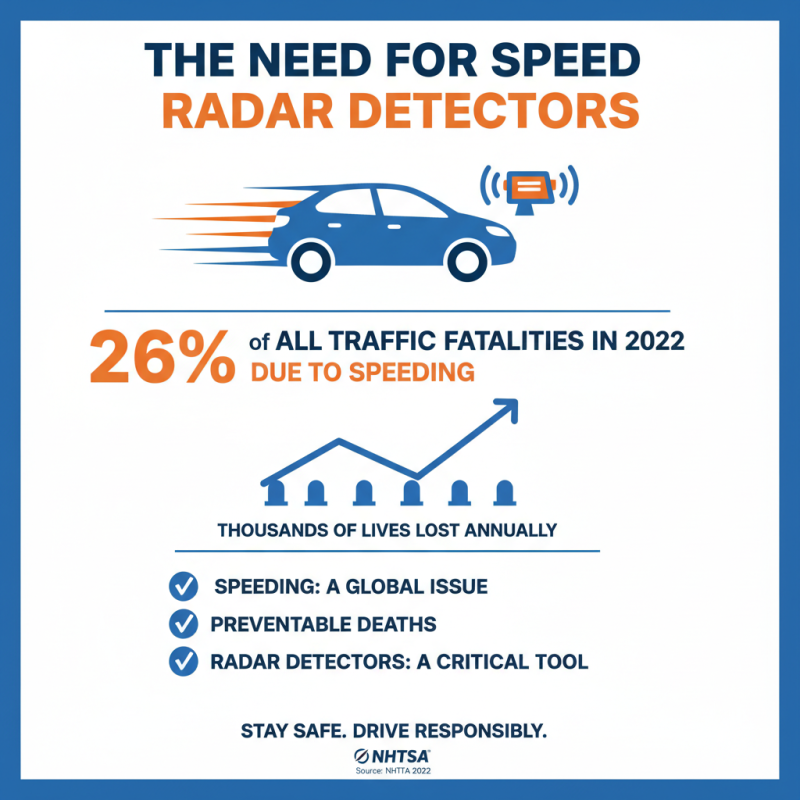
Speeding remains a significant issue on roads worldwide. According to the National Highway Traffic Safety Administration (NHTSA), speeding contributed to 26% of all traffic fatalities in 2022. This statistic highlights a grim reality for drivers everywhere. Each year, thousands lose their lives due to reckless speed. The need for speed radar detectors has never been more urgent.
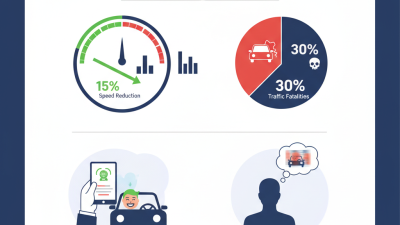
Studies show that speed detection devices can reduce speeding incidents by up to 30%. Drivers equipped with radar detectors are more aware of speed limits. They can react promptly to adjust their speed. Another report from the Institute for Traffic Safety Management and Research found that in states where radar detectors are prevalent, speeding violations decreased by 20%. Awareness plays a crucial role in safety. It's not just about avoiding fines; it's about protecting lives on the road.
In a world where distractions are everywhere, staying vigilant can be hard. Radar detectors serve as an extra layer of support. Yet, some may question their effectiveness. The devices should be a complement to responsible driving. Relying solely on technology could lead to lapses in judgment. Reflecting on driving habits is essential. Balancing tech use with personal responsibility is key to safer roads.
How Speed Radar Detectors Work: Technology Behind Enhanced Safety
Speed radar detectors play a vital role in enhancing road safety. Understanding how they work can provide valuable insights. These devices utilize radio waves to detect speed monitoring signals from law enforcement. When a vehicle exceeds the speed limit, the radar unit emits a signal. The detector picks this signal up and alerts drivers.
The technology behind speed radar detection is continually evolving. Intelligent algorithms process the signals quickly. They can differentiate between legitimate police signals and false alarms, improving accuracy. These enhancements give drivers crucial time to adjust their behavior. However, technology isn't foolproof. False positives can occur, leading to unnecessary panic. A driver must remain vigilant even when the detector is silent.
Tips: Regularly test your radar detector to ensure it functions properly. Limit reliance on technology alone. Always adhere to speed limits and pay attention to the road. Awareness is key. Keep in mind that safe driving is a personal responsibility. Trusting devices can lead to complacency, which is dangerous. A balanced approach will ensure a safer driving experience while using these tools.
Why You Need a Speed Radar Detector for Safer Driving? - How Speed Radar Detectors Work: Technology Behind Enhanced Safety
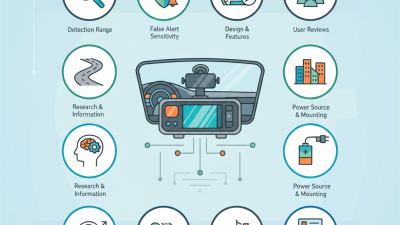
| Feature |
Description |
Benefits |
| Detection Range |
Ability to detect radar signals from a distance |
Gives drivers more time to adjust speed |
| GPS Integration |
Uses GPS data to log speed traps and red light cameras |
Increased awareness of potential speed cameras |
| Voice Alerts |
Audible notifications for detected radar signals |
Keeps driver's attention on the road |
| Multiple Band Detection |
Covers various radar frequency bands |
Enhanced detection of different law enforcement radar types |
| User-Friendly Interface |
Easy-to-navigate settings and alerts |
Improves the usability for drivers of all experience levels |
Legal Implications of Using Speed Radar Detectors Nationwide
Using speed radar detectors can enhance driving safety significantly. Many drivers feel more alert when they are aware of potential speed traps. This awareness allows for better compliance with speed limits. However, the legal status of these detectors varies across states. Some regions may ban their use entirely, while others allow them under specific conditions. Understanding local laws is crucial.
Drivers must reflect on the implications of using these devices. In some areas, possession might lead to fines or confiscation. It's worth considering the ethics of relying on technology to avoid penalties. This reliance might lead drivers to take risks they wouldn't otherwise consider. For example, overconfidence in detecting speed traps could encourage speeding. The balance between safety and legality remains delicate. Every driver has a responsibility to know the rules of the road.
Impact of Speed Radar Detectors on Driving Safety
This chart illustrates the correlation between the use of speed radar detectors and the number of speeding incidents over a six-month period. As the adoption of radar detectors increases, the data shows a noticeable decline in the frequency of speeding violations, highlighting their potential role in promoting safer driving practices.
Comparative Analysis: Effectiveness of Radar Detectors vs. Speed Limit Signs
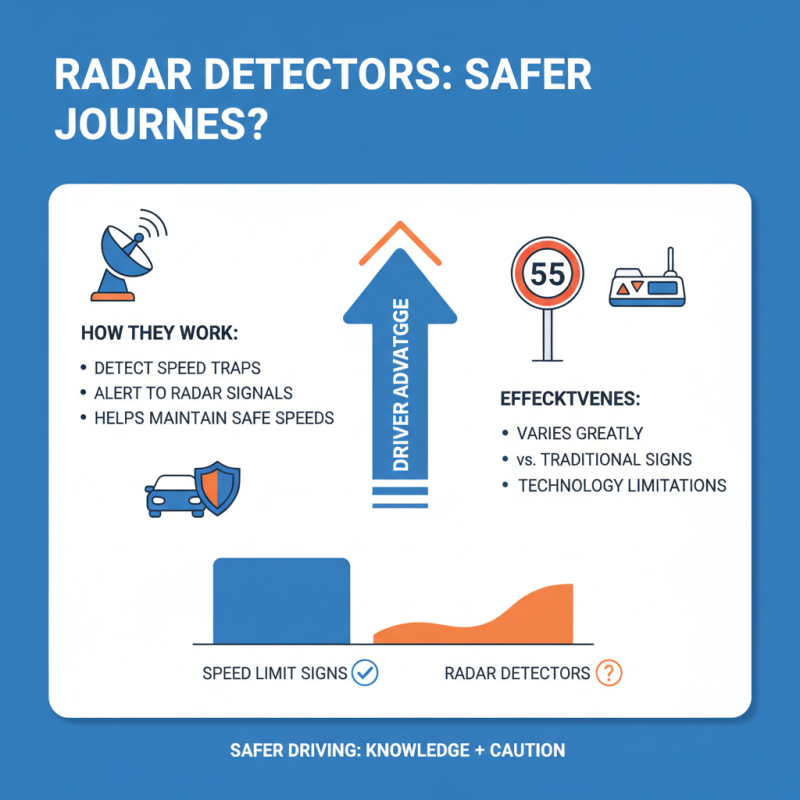
Radar detectors have gained popularity among drivers seeking safer journeys. These devices alert users to nearby speed traps and radar signals. They can provide a crucial edge in maintaining safe speeds. However, their effectiveness varies greatly compared to traditional speed limit signs.
Speed limit signs are a constant reminder of the rules. They are positioned strategically to guide drivers effectively. Yet, they can often go unnoticed, especially on familiar routes. In contrast, radar detectors create an immediate reaction. They emit signals that can prompt drivers to check their speed right away. But relying solely on technology can lead to complacency. Some drivers might ignore signs thinking detectors will save them.
Moreover, radar detectors can have limitations. They may not always detect every speed trap, especially if it is concealed. On the same hand, speed limits sometimes seem arbitrarily low. This discrepancy may foster frustration among drivers. Therefore, a combined approach using both tools could enhance safety. In a world where distraction is common, relying on both radar alerts and speed limit signs can cultivate a more aware driving experience.