How to Improve Road Safety for Global Supply Chain Logistics?
Road safety is crucial for the efficiency of global supply chain logistics. According to the World Health Organization, approximately 1.35 million people die in road traffic crashes each year. This data highlights the urgent need for improved safety measures. The rising global demand for goods increases the frequency of transport. Poor road conditions and reckless driving can lead to devastating consequences.
In logistics, timely deliveries are essential. However, road accidents can cause delays, affecting supply chain reliability. A study by the International Transport Forum indicates that road safety improvements could save businesses billions in economic losses. Many logistics companies still overlook safety protocols. In 2022, statistics revealed that only 45% of logistics providers implemented comprehensive safety training for drivers. This gap in safety training and awareness must be addressed.
Enhancing road safety is vital for protecting lives and safeguarding investments. The financial implications of road accidents can be profound. Every accident has a ripple effect on the entire supply chain. Therefore, logistics companies must prioritize road safety to mitigate risks. A proactive approach to safety can strengthen operational efficiency. The relationship between road safety and logistics is clear; improvements must be made.

Strategies for Assessing Current Road Safety in Supply Chains
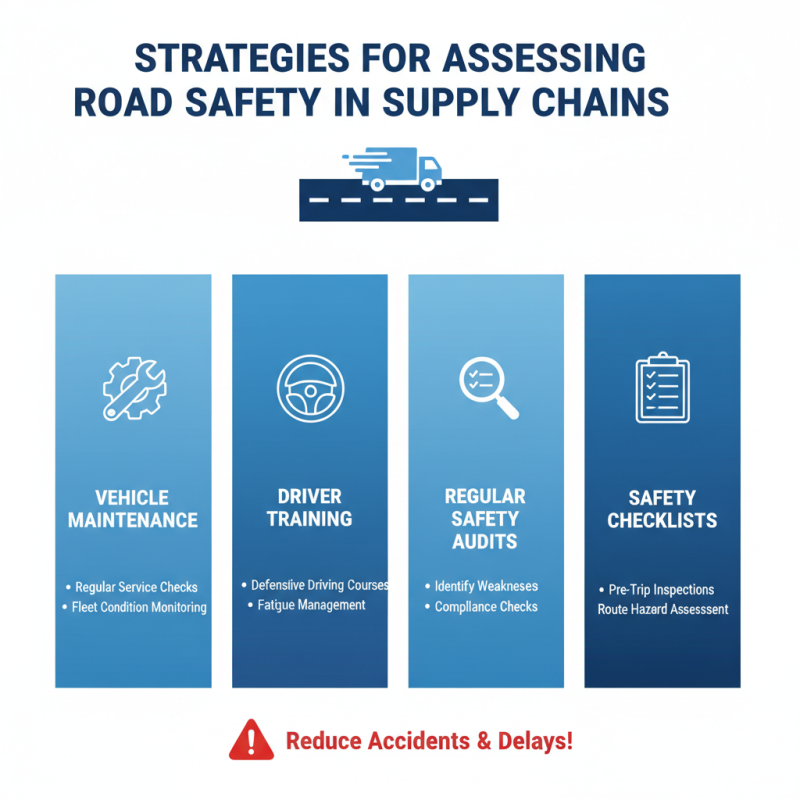
Assessing current road safety in supply chains is crucial. Various factors contribute to the safety levels of logistics operations. Many companies overlook vehicle maintenance and driver training. This oversight can lead to accidents and delays. Regular safety audits can help identify weaknesses. Implementing safety checklists is a practical step.
Data collection plays a key role. Gathering information on road conditions and traffic patterns is essential. It allows logistics managers to make informed decisions. Analyze incidents to understand common risks. A lack of detailed analysis often hides serious issues. Setting up feedback mechanisms from drivers can provide invaluable insights. Their daily experiences highlight real problems on the road.
Technology can enhance road safety assessments as well. GPS tracking systems offer real-time data on vehicle locations. This visibility can help monitor unsafe driving behaviors. However, excessive reliance on technology may lead to complacency. A balanced approach is necessary. Addressing safety requires continuous adaptation and commitment from all stakeholders.
Best Practices for Vehicle Maintenance and Safety Compliance
Vehicle maintenance and safety compliance are crucial for enhancing road safety in global supply chain logistics. According to the Federal Motor Carrier Safety Administration (FMCSA), improper vehicle maintenance accounts for approximately 30% of all truck crashes in the United States. Regular inspections and timely repairs can significantly reduce this risk. Fleet managers must prioritize routine checks on brakes, tires, and lights. Each component plays a vital role in safe driving conditions.
Driver training is equally essential. The National Highway Traffic Safety Administration (NHTSA) highlights that well-trained drivers are 50% less likely to be involved in accidents. Implementing safety compliance programs can ensure that drivers are aware of best practices, such as maintaining safe following distances and recognizing fatigue signs. However, creating a culture of safety takes time. Challenges persist, including employee turnover and varying degrees of adherence to safety protocols among drivers.
Technology can aid in compliance as well. GPS tracking systems and telematics provide valuable data on driver behavior and vehicle performance. This information helps identify risky patterns. Yet, relying solely on technology can lead to complacency. Regular hands-on training and open communication are necessary to reinforce safety measures. Balancing these elements is key. Road safety is a continuous journey, not a destination.
Vehicle Maintenance Frequency and Safety Compliance Rate
Training and Education Programs for Logistics Personnel
Training and education programs for logistics personnel are vital for enhancing road safety in global supply chains. Well-trained drivers can minimize accidents and ensure timely deliveries. These programs should focus on practical skills and theoretical knowledge. Drivers must understand regulations and safe driving practices. Regular workshops can reinforce these topics.
Incorporating real-life scenarios into training enhances learning. For example, simulations can expose drivers to challenging conditions without the risks of real-world driving. Road awareness, vehicle handling, and emergency response are key focus areas. Not all training is effective, though; poor engagement often results in forgotten lessons and unsafe habits.
Continuous education is essential. Industry standards evolve, and so do driving challenges. Logistics companies should adapt their training methods accordingly. Feedback from participants can guide improvements. Asking personnel about their experiences on the road may reveal gaps in training. This insight can drive better safety strategies and ultimately protect lives.
Implementing Technology to Enhance Road Safety in Logistics
Implementing technology in logistics can significantly enhance road safety. Advanced tools such as GPS tracking systems provide real-time updates on vehicle locations. This allows companies to monitor their fleet closely, reducing the risk of accidents. Furthermore, driver behavior analytics can help identify risky practices like speeding or harsh braking. This data can guide training programs to improve safety standards.
Autonomous vehicles also play a crucial role in enhancing road safety. These vehicles use sensors and cameras to navigate without human intervention. Their ability to process information quickly can reduce human error, a leading cause of accidents. However, the transition to autonomous technology raises questions. Are we prepared for the potential challenges? Developing regulations and safety standards for these technologies remains a work in progress.
Incorporating AI into logistics can also enhance safety. Predictive analytics can assess traffic patterns and weather conditions. This information can help logistics companies plan safer routes and avoid dangerous situations. However, reliance on technology raises concerns about data security and privacy. With the increasing amount of data collected, protecting this information is essential. Continuous reflection on these issues is vital for maintaining trust and safety in logistics.
How to Improve Road Safety for Global Supply Chain Logistics? - Implementing Technology to Enhance Road Safety in Logistics
| Technology |
Purpose |
Benefits |
Implementation Challenges |
| GPS Tracking Systems |
Monitor vehicle location and speed |
Improved route optimization and real-time monitoring |
Initial cost and integration with existing systems |
| Dash Cameras |
Capture driving behaviors and incidents |
Enhanced driver accountability and incident analysis |
Privacy concerns and data management issues |
| Driver Assistance Systems |
Assist drivers with navigation and hazard warnings |
Reduced accidents and improved driver comfort |
Dependence on technology and potential system failures |
| Telematics Solutions |
Analyze vehicle performance and driver behavior |
Insight into fleet efficiency and risk management |
Data overload and costs associated with advanced features |
| Mobile Apps for Drivers |
Provide real-time updates and communication |
Enhanced coordination and reduced delays |
User adoption and app usability issues |
Collaborating with Local Authorities to Improve Infrastructure Safety
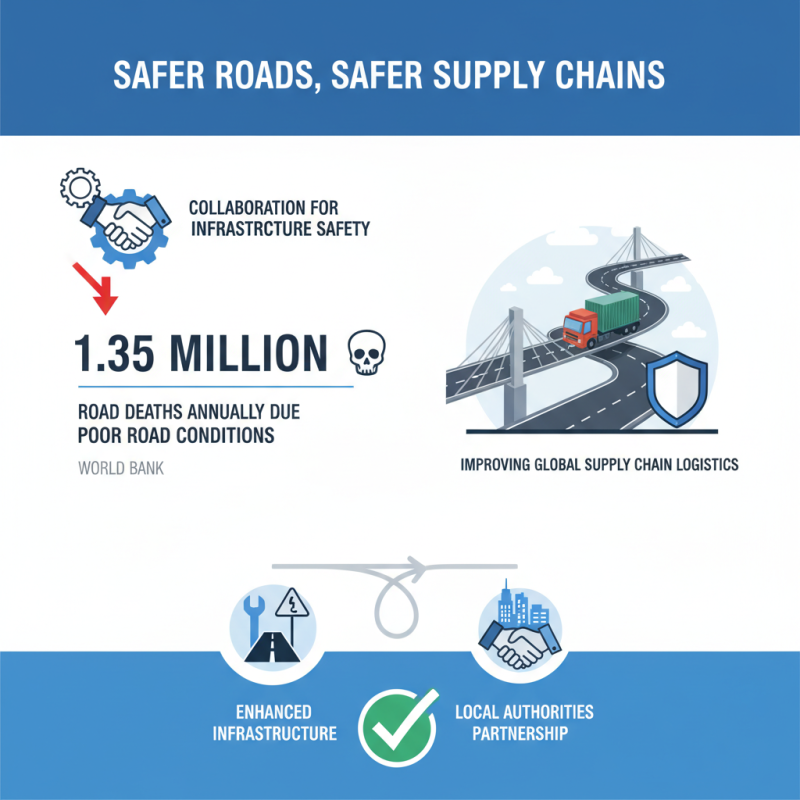
Improving road safety in global supply chain logistics requires active collaboration with local authorities. Infrastructure plays a crucial role in ensuring safe transportation of goods. According to the World Bank, poor road conditions contribute to over 1.35 million road deaths annually. This statistic highlights a significant need for enhanced infrastructure.
Local governments often have the data and insights needed to identify high-risk areas. By engaging with them, logistics companies can inform their strategies. For instance, a study by the International Transport Forum found that investments in road quality lead to a 30% reduction in accidents. Collaboration can drive better maintenance of roadways and timely updates on hazardous conditions.
However, not all regions possess sufficient resources. Many localities struggle with budget constraints, slowing down infrastructure projects. Addressing these gaps requires innovative funding solutions. Partnerships between private and public sectors can unleash needed capital. Also, a review of existing safety measures is essential. Continuous monitoring and assessment help pinpoint where improvements are most needed. Engaging with local entities assures that logistics firms have access to personalized road safety initiatives that truly reflect regional challenges.