How to Choose the Right Road Safety Signs for Your Needs?
When it comes to road safety, choosing the right road safety signs is crucial. These signs convey vital information to drivers and pedestrians. Properly selected signs can significantly reduce accidents and improve overall safety on the road. It’s essential to consider various factors when making your choice.
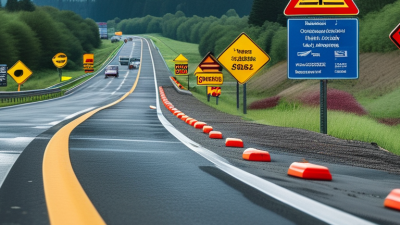
Consider the location and specific needs. Urban areas often require different signs compared to rural settings. Understanding the traffic patterns and potential hazards can guide your decision-making process. It’s also important to think about the materials used for the signs. Durable signs can withstand harsh weather and maintain visibility over time.
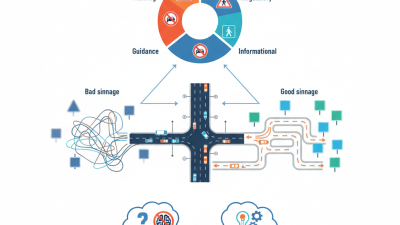
However, not everyone knows that a single poorly placed road safety sign can confuse drivers. This might lead to reckless driving or accidents. Reflecting on the effectiveness of current signs can help communities make informed choices. Consultation with local authorities and experts can enhance both safety and compliance with regulations. Choosing the right road safety sign is more than just a decision; it’s a commitment to protecting lives on the road.
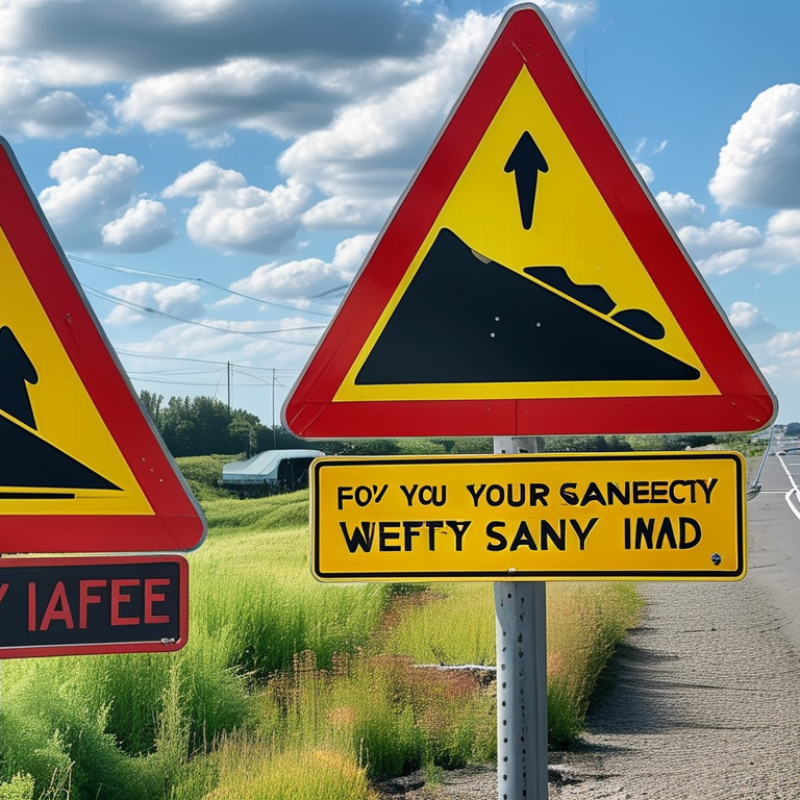
Understanding the Importance of Road Safety Signs for Public Safety
Road safety signs play a crucial role in public safety. These signs guide drivers, pedestrians, and cyclists. They convey essential information about road conditions, hazards, and traffic regulations. Without these signs, chaos would likely ensue on the roads. Understanding their importance can help communities prioritize safety measures.
Proper signage prevents accidents and saves lives. For instance, a clearly marked stop sign can reduce the risk of collisions at intersections. Speed limit signs ensure that drivers maintain safe speeds, especially in school zones. These seemingly simple indicators have a profound impact on safety. However, the challenges lie in selecting the right signs for specific environments. Different areas have unique needs based on traffic volume and types of users.
In some cases, communities may overlook necessary signage. Signs can fade or become obstructed, reducing their effectiveness. Regular maintenance and evaluations are vital for ensuring visibility and clarity. Also, communities should engage the public in discussions about road signage needs. Gathering feedback can provide insights that experts might miss. This collaborative approach can foster a safer environment for everyone. Road safety signs are not merely decorative; they are critical tools for preventing accidents and ensuring community well-being.
Identifying Different Types of Road Safety Signs and Their Functions
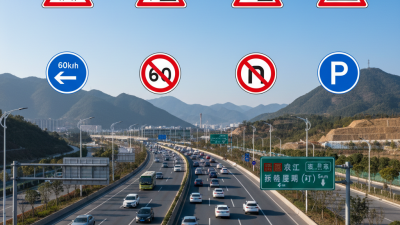
When selecting road safety signs, understanding their types and functions is crucial. Warning signs, like those indicating curves or pedestrian crossings, help prevent accidents. These signs are usually triangular and bright yellow or orange, catching the driver's attention. Regulatory signs, such as speed limits, must be obeyed. They are often circular and can be red or white.
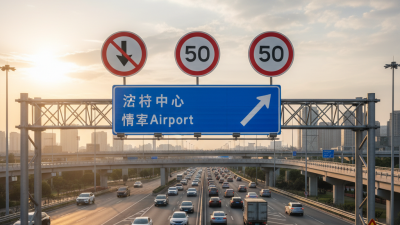
Guidance signs direct drivers to destinations, showing routes or distances. These signs are generally rectangular and include helpful symbols. It’s important to consider the environment where the sign will be placed. A sign hidden by trees or dirt may become ineffective, risking safety. Reflective materials can enhance visibility, especially at night.
In some places, the standard for signs may vary. This can create confusion for drivers. Taking time to analyze local regulations is necessary. Monitoring the condition and visibility of these signs also reflects a community’s safety commitment. Road safety relies on proper sign usage and maintenance, promoting awareness and adherence.
Assessing Your Unique Needs for Effective Road Safety Signage
Assessing your unique needs for effective road safety signage begins with understanding the environment where the signs will be placed. Different locations demand different signs, whether you're directing traffic in a busy urban area or safeguarding pedestrians in a school zone. Each scenario requires specific attention to detail. Consider factors like visibility, weather conditions, and local regulations. These elements influence the material, size, and design of the signs you choose.
You should also think about the message the sign conveys. Clear communication is key to road safety. Make sure that text is concise and easily readable from a distance. For instance, use symbols and colors that are universally recognized for alerting drivers and pedestrians. Reflective materials can enhance visibility at night or during adverse weather conditions. Remember, the goal is to prevent confusion and promote safety.
Consider involving local community feedback in your decision-making process. Engage with drivers, pedestrians, and local authorities to identify their concerns. Their insights can reveal unanticipated problems, leading to better signage solutions. Regular reviews of sign effectiveness can also provide opportunities for improvement. Road safety is an ongoing challenge that requires adaptation and reflection.
Choosing the Right Materials and Durability for Road Safety Signs
When choosing road safety signs, the materials and their durability play a crucial role. Weather conditions, potential wear and tear, and the specific location of the signs are vital factors. For instance, signs placed in areas with extreme temperatures require materials that can withstand such conditions. Reflective coatings are essential in regions with low visibility due to fog or rain.
Tips for selecting materials include considering aluminum for its lightweight nature and resistance to rust. Additionally, durability against UV rays is crucial; otherwise, colors may fade quickly. Polycarbonate can also be a great choice. It offers high impact resistance, making it less likely to shatter or break upon impact.
It's worth reflecting that not all signs remain effective forever. Regular inspections can help identify signs that need replacement, ensuring constant visibility and safety. Materials may degrade over time, even if they appear intact. Selecting the ideal materials ensures that road safety signs meet longevity and functionality requirements.
Ensuring Compliance with Local Regulations and Standards for Signage
When selecting road safety signs, compliance with local regulations is paramount. Different regions have specific rules governing signage. Understanding these regulations ensures that the signs you choose are legally acceptable. Ignoring these standards can lead to penalties or increased liability in case of an accident.
A useful approach is to research your local transportation department's guidelines. Many municipalities provide resources detailing sign dimensions, colors, and materials. Proper dimensions can enhance visibility and effectiveness. This step is often overlooked yet critical for ensuring that the signs serve their purpose.
Always consider the context where the signs will be placed. Think about factors like visibility, lighting, and potential obstructions. A sign needs to be noticeable but not intrusive. Engaging with signage experts can also provide insights. They can help you navigate complex regulations and design considerations, bridging gaps in your understanding. Involving specialists can avert unnecessary mistakes that might delay your project or complicate compliance.