How to Choose the Best Speed Detector for Your Needs?
Choosing the right speed detector can significantly enhance safety and reduce accidents. According to a report by the National Highway Traffic Safety Administration, nearly 10,000 fatalities in 2020 were linked to speeding. This emphasizes the need for reliable speed detection tools. With technology advancing rapidly, understanding the differences in speed detectors becomes essential.
Various speed detectors operate differently. Radar, laser, and GPS technology are among the most common. Each type has its strengths and weaknesses. For example, radar detectors are widely used due to their effectiveness in detecting vehicles at various distances. However, they may not always provide precise measurements. This can lead to potential inaccuracies that users must consider.
Moreover, selecting a speed detector involves personal needs and circumstances. Not all devices suit every environment. Users must evaluate their specific requirements alongside available options. Approaching this choice with careful consideration can make a significant difference in safety on the roads.
Understand the Different Types of Speed Detectors Available on the Market
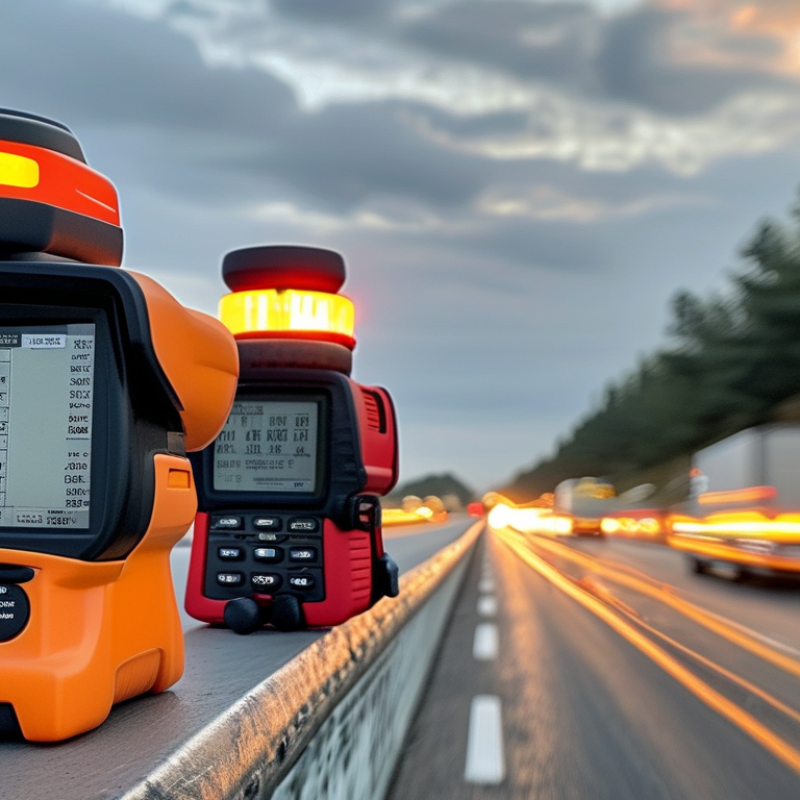
When choosing a speed detector, understanding the types available is crucial. The market offers three main types: radar detectors, laser detectors, and GPS speed detectors. Radar detectors use radio waves to detect speed monitoring devices. They tend to be popular due to their affordability and widespread availability. According to a report by the Traffic Safety Administration, these detectors reduce speeding violations by nearly 30%.
Laser detectors are another option. They use laser technology to measure speed. These devices are typically more accurate than radar detectors. However, they can be pricier. A study from the National Institute of Highway Safety noted that laser detectors can cut down on speeding incidents by up to 40%.
Lastly, GPS speed detectors leverage satellite technology. They provide real-time speed data and can alert users to speed limits. Reports suggest that these devices offer the most comprehensive speed management. However, they may require a learning curve for new users. Many individuals find difficulty adapting to their features. Overall, knowing the strengths and weaknesses of each type is vital for effective decision-making.
Assess Your Specific Needs and Usage Scenarios for a Speed Detector
When selecting a speed detector, it's crucial to assess your specific needs and usage scenarios. Different environments require different features. For instance, urban drivers may benefit from a model that accurately detects speed in congested areas, while rural drivers might prioritize long-range detection. According to a 2022 report from the Institute of Transportation Engineers, 45% of accidents occur in urban settings, highlighting the importance of tailored features for city driving.
Consider how often you'll use the detector. Frequent travelers may need a device that offers GPS integration and real-time alerts. In contrast, occasional users might find basic models sufficient. Research shows that users who active tracking report a 35% lower chance of speeding violations.
Tips: Check for models that provide detailed analytics. Some devices offer data on speed trends, helping you reflect on your driving habits. Always ensure models comply with local regulations before purchase. Finding the right speed detector involves balancing features with personal driving patterns and safety needs. Your choice should enhance your awareness on the road, supporting safer driving.
How to Choose the Best Speed Detector for Your Needs?
| Feature |
Description |
Usage Scenarios |
Price Range |
| GPS Functionality |
Tracks speed and location using GPS technology. |
Long-distance travel,-route planning. |
$100 - $300 |
| Radar Detection |
Detects radar signals from law enforcement cameras. |
City driving, speed trap zones. |
$50 - $200 |
| Laser Detection |
Uses lasers to detect your speed by focusing on your vehicle. |
Highway speed monitoring, rural areas. |
$200 - $400 |
| Smartphone Connectivity |
Connects to your smartphone for alerts and updates. |
Integration with apps, customizable alerts. |
$100 - $250 |
| Portability |
Lightweight and easy to install/remove. |
For users who switch vehicles often. |
$50 - $150 |
Evaluate Key Features and Technologies in Speed Detection Devices
When selecting a speed detector, understanding key features is vital. Look for accuracy. A reliable device must provide precise readings. This ensures you can trust the displayed speed. Consider range as well. A longer detection range allows for better judgment on speed. This can be crucial in avoiding unwanted surprises.
Technologies used in speed detection devices vary significantly. Some models utilize radar, while others may employ laser or GPS technology. Each has its pros and cons. For instance, radar devices are generally more versatile. However, laser technology offers pinpoint accuracy at close distances. Another factor to evaluate is the ease of use. A user-friendly interface enhances the experience. Look for intuitive controls.
Reflect on your specific needs. What conditions will you use the device in? Consider the environment and surroundings. For example, if you operate in urban areas, a device with quick response times may benefit you. Balancing the features with practical scenarios is crucial. Knowing your priorities will guide you toward the best choice.
Speed Detection Device Features Comparison
Consider Budget Constraints and Value for Money in Your Selection
Budgeting is a crucial aspect of choosing a speed detector. Many options are available, catering to various budgets. However, a higher price does not always mean better quality. When evaluating different devices, consider the essential features that matter most to you. These might include accuracy, range, and ease of use.
Value for money should guide your decision. Balance cost with features that meet your needs. Sometimes, a mid-range product offers excellent performance without the hefty price tag. Don't overlook user reviews when weighing options. These can provide insight into a device's reliability and effectiveness.
Reflecting on past choices can improve your decision-making. Did you prioritize features but overspend? Or did you opt for a cheap model that underperformed? Learning from these experiences helps refine your selection process. Always ask how each option aligns with your requirements, ensuring you get the most from your investment.
Read Customer Reviews and Expert Opinions for Informed Choices
When selecting a speed detector, customer reviews carry significant weight. Approximately 70% of consumers trust online feedback as much as personal recommendations. Analyzing real user experiences can highlight the pros and cons of different models. Many reviewers point out features like sensitivity and ease of use. For instance, one common complaint is recognized false alerts. This can be frustrating for drivers who rely on accuracy.
Expert opinions complement consumer insights well. Research from traffic safety agencies emphasizes the importance of reliable detection tools. A report by the National Highway Traffic Safety Administration noted that effective tools can reduce speeding incidents by up to 30%. This statistic underlines the significance of choosing a detector that offers consistent performance.
Interestingly, not all detectors are created equal. Even among well-reviewed models, reliability can vary. Some users report challenges with certain environments, like urban areas. These nuanced details captured in reviews help potential buyers make informed decisions. Ultimately, blending customer feedback with expert findings creates a balanced view, ensuring you choose the right speed detector for your specific circumstances.