How to Choose the Right Solar Traffic Signal Light for Your Needs?
Choosing the right Solar Traffic Signal Light can be crucial for safety and efficiency. Expert Jack Thompson, a well-known figure in renewable energy solutions, states, "Selecting the appropriate solar signal light makes a difference not just in visibility, but in saving lives." His insights highlight the importance of making informed decisions.
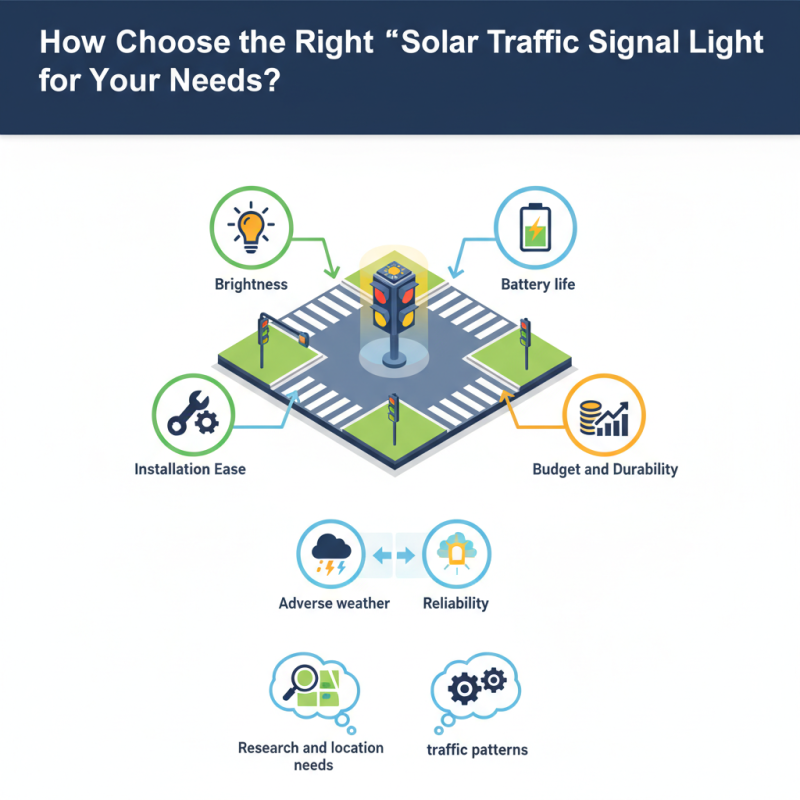
When evaluating options, consider factors like brightness, battery life, and installation ease. Not all solar lights perform equally. Some may fail in adverse weather. Visualize a busy intersection where a malfunctioning light leads to chaos. A well-chosen Solar Traffic Signal Light ensures clarity and order in such scenarios.
There's also the budget to think about. While some options may seem appealing, they may lack durability. Investing in quality may seem more expensive initially, but it pays off long-term. Do research thoroughly. Reflect on the specific needs of your location and traffic patterns. This will guide you toward the best choice.
Understanding the Basics of Solar Traffic Signal Lights and Their Functionality
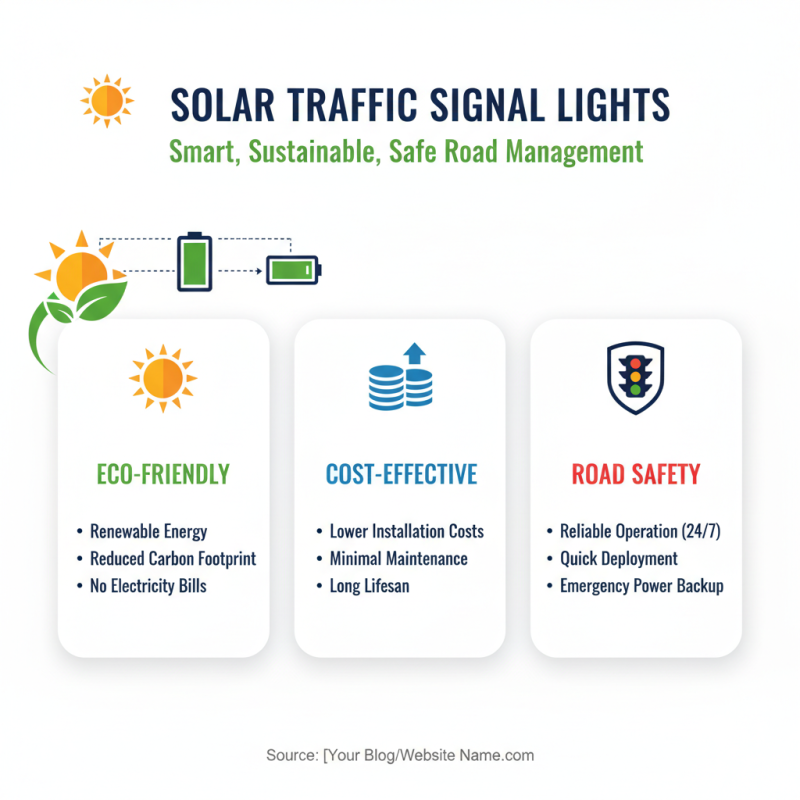
Solar traffic signal lights are increasingly popular for managing road safety. These lights harness solar energy, making them eco-friendly and cost-effective. Understanding their functionality can greatly aid in choosing the right model for your needs.
Solar traffic lights come equipped with various features. They typically include LED technology, which enhances visibility. The solar panels collect sunlight during the day, powering the signals at night. This system can be highly efficient, but it depends on adequate sunlight exposure. In cloudy regions, performance may vary, which needs consideration.
When selecting a solar traffic light, think about the location. Is it a busy intersection or a quiet road? Each scenario may require different specifications. The intensity and size of the lights play crucial roles in visibility. Additionally, consider the installation process. Some systems may require more time and resources than expected, prompting further reflection on practical needs.
Evaluating the Key Features of Solar Traffic Signal Lights for Optimal Performance
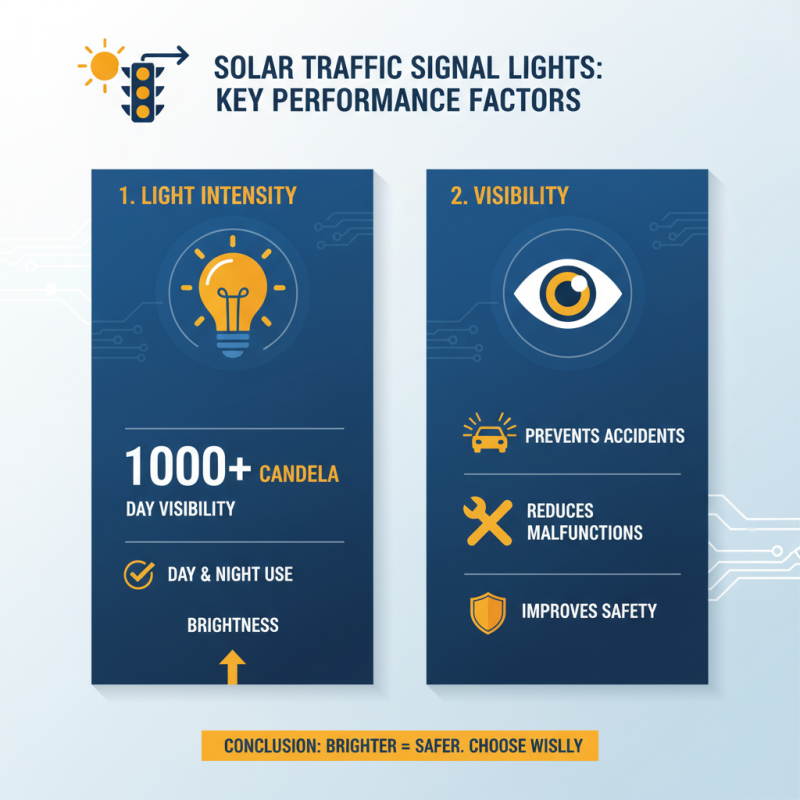
When evaluating solar traffic signal lights, key features greatly impact performance. Light intensity and visibility are crucial. A signal’s brightness must be sufficient for day and night use. Reports indicate that visibility should exceed 1000 candela for effective day use. A poorly visible signal can lead to accidents and dysfunction, creating significant safety issues.
Battery life is another vital factor. According to studies, a quality solar traffic light should operate for at least 72 hours on a full charge. This ensures reliable function during cloudy weather. However, not all products meet this standard. Some may fail after only a few hours of operation, reflecting inconsistencies in manufacturing. It’s essential to examine real-world performance metrics offered in data reports before making a purchase.
Solar panel efficiency cannot be overlooked. The best panels convert over 20% of sunlight into energy. Lower efficiency panels can lead to insufficient power generation. This can result in intermittent failures during peak usage times. Regularly checking and maintaining the panels is recommended, though often overlooked. Users should be prepared for potential performance issues that require attention over time.
Assessing the Energy Efficiency and Sustainability of Solar Traffic Signals
When considering the deployment of solar traffic signal lights, energy efficiency and sustainability are crucial factors. A report from the National Renewable Energy Laboratory shows that solar traffic signals can reduce energy costs by up to 80%. This significant savings is due to their reliance on renewable energy sources, which lowers dependence on traditional electricity grids.
However, the performance of solar systems can vary based on geographic location and weather conditions. For instance, solar panels may not generate enough power in consistently cloudy regions. It is essential to assess local sunlight exposure. Additionally, the lifespan of batteries used in these systems can be a concern, often ranging from three to five years. This leads to potential future maintenance costs.
Another consideration is the environmental impact of manufacturing solar panels. Each unit involves resources that can negate some sustainability benefits. Some studies highlight the importance of choosing solar signals with recyclable materials. Balancing these factors is key to making informed decisions.
How to Choose the Right Solar Traffic Signal Light for Your Needs?
| Feature |
Description |
Energy Efficiency Rating |
Sustainability Features |
| LED Light Source |
Bright and energy-efficient; lasts for up to 50,000 hours. |
A+ |
Low power consumption; recyclable materials. |
| Solar Panel |
High-efficiency panels for optimal solar energy capture. |
A+ |
Durable and weather-resistant; made from sustainable materials. |
| Battery Backup |
Long-lasting batteries to operate during low sunlight conditions. |
A |
Environmentally friendly batteries; efficient charging cycles. |
| Control Features |
Smart control systems for traffic monitoring and adjustment. |
A |
AI technology for optimizing traffic flow; reduces emissions. |
| Installation |
Easy installation with minimal infrastructure changes required. |
N/A |
Low impact on local ecosystems; no underground wiring needed. |
Comparing Cost-Benefit Analysis of Solar vs. Conventional Traffic Signal Systems
When evaluating solar traffic signal lights against conventional systems, consider the initial costs. Solar systems often have higher upfront prices, driven by equipment costs. However, they require no external power source, which can lead to savings over time. Maintenance costs are typically lower too. You won't need extensive electrical work or ongoing energy bills.
Next, analyze the installation process. Solar lights are usually quicker to install. They don’t require trenching for wires, which means less disruption to roadways. However, their effectiveness depends on sunlight availability. In cloudy regions, this could be a drawback. Assess whether your location receives adequate sunlight year-round.
Think about environmental impact and sustainability. Solar systems reduce dependency on fossil fuels and lower carbon footprints. However, their production may use non-renewable resources. We should reflect on these trade-offs. Balancing immediate costs with long-term benefits is vital, as is understanding your community's specific needs.
Cost-Benefit Analysis of Solar vs. Conventional Traffic Signal Systems
Identifying Regulatory Standards and Compliance for Solar Traffic Signal Installation
When choosing a solar traffic signal light, understanding regulatory standards is vital. In the U.S., the Manual on Uniform Traffic Control Devices (MUTCD) sets clear guidelines. Compliance with these standards ensures safety and effective communication on the road. ASTM International also provides specifications for materials and performance of solar signals. This means that your chosen system must meet these proven criteria to function properly.
Tips: Always verify if the solar signal conforms to local regulations. Conduct a thorough review of safety features and installation standards. It’s essential to ensure the signal can withstand extreme weather conditions and handle varying traffic volumes.
You might find that some manufacturers don’t fully comply with these standards. This raises concerns about their reliability. Checking for certifications is essential. Flaws in design or materials can lead to failures, impacting safety. Opt for products tested for durability and efficiency in diverse environments.
Proper planning for installation is also crucial. Consider solar panel orientation for optimal sunlight exposure. Evaluate potential obstructions like trees or buildings that may affect performance. In some cases, solar signals may not be suitable for areas with frequent heavy cloud cover. Since these factors can significantly influence the light's effectiveness, thorough assessment is necessary.