China Best Practices for Enhancing Road Safety in Urban Areas?
Urban areas in China face significant challenges in ensuring road safety. High population density and rapid urbanization contribute to increased traffic incidents. As cities grow, the need for effective road safety practices becomes crucial. Addressing these issues requires innovative solutions and a comprehensive understanding of urban environments.
Recent initiatives have focused on improving infrastructure. This includes better signage, expanded pedestrian zones, and dedicated bike lanes. However, challenges remain. Many drivers and pedestrians still ignore traffic rules. There is also a lack of awareness regarding safety measures. Community engagement is essential to bridge this gap. Educating citizens on traffic laws helps nurture a culture of respect on the roads.
Despite advancements, China’s road safety record indicates room for improvement. Each year, thousands are injured or killed in road accidents. This highlights the necessity for ongoing evaluation of strategies. New practices must be adapted to fit the unique contexts of different urban areas. A balanced approach, combining infrastructure upgrades and community education, could lead to significant progress in enhancing road safety.
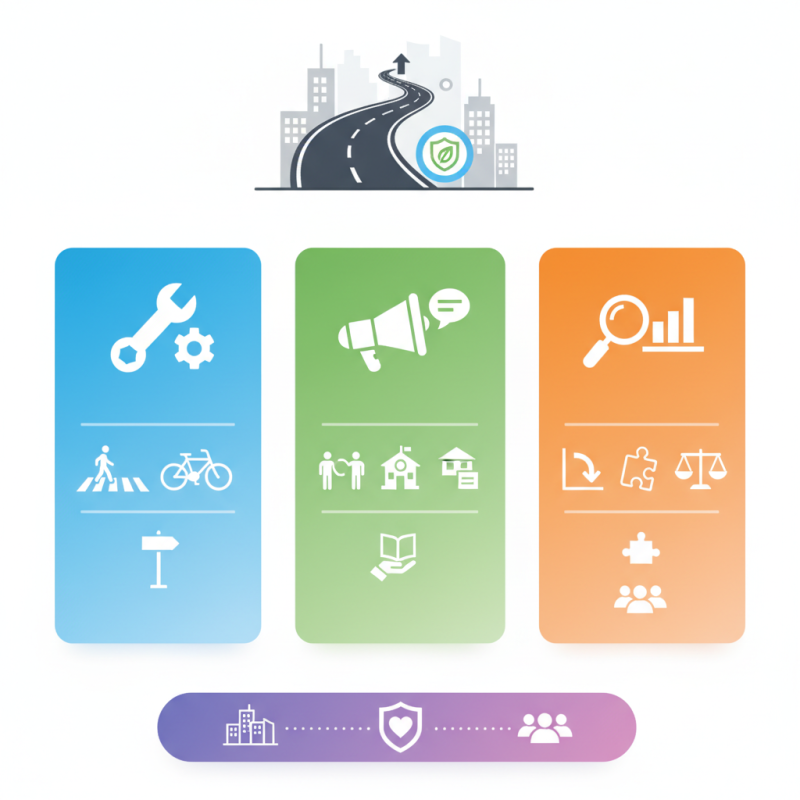
Best Practices in Urban Road Safety: An Overview of China's Approach
Urban road safety is a pressing issue for cities worldwide. In China, significant strides have been made to enhance safety through comprehensive strategies. According to the Ministry of Public Security, traffic fatalities have decreased by 50% in the last decade, showcasing the effectiveness of these initiatives. One key approach involves the implementation of smart traffic management systems. By utilizing real-time data, cities can optimize traffic flow and reduce congested areas, leading to fewer accidents.
Moreover, community engagement plays a crucial role in improving road safety. Educational campaigns targeting pedestrians and cyclists have proven effective. A study from the China Road Safety Research Center indicates that such campaigns can reduce pedestrian injuries by up to 30%. However, challenges remain. Some urban areas still struggle with insufficient infrastructure for non-motorized road users. There is also the issue of distracted driving, which continues to pose risks. Addressing these problems requires an ongoing commitment to education, infrastructure adjustments, and data-driven policies.
Chinese cities also prioritize pedestrian safety through the design of walkable environments and dedicated bike lanes. However, practical applications often fall short. Many areas still lack adequate signage and protection for vulnerable road users. Continuous evaluation and improvement of these strategies are essential for fostering a safer urban landscape. Balancing technology and human behavior remains a complex task, but it is critical for future road safety improvements.
Best Practices in Urban Road Safety: An Overview of China's Approach
| Practice |
Description |
Impact |
Implementation Year |
| Road Safety Education |
Educational programs for drivers, pedestrians, and cyclists. |
Improved awareness and reduced accidents involving vulnerable road users. |
2015 |
| Traffic Violation Monitoring |
Installation of intelligent traffic surveillance systems. |
Significant decrease in traffic violations. |
2018 |
| Pedestrian-friendly Infrastructure |
Creation of dedicated sidewalks and pedestrian zones. |
Increased safety for pedestrians and reduced vehicle-pedestrian accidents. |
2017 |
| Bicycle Sharing Programs |
Implementation of public bike-sharing schemes. |
Encouraged cycling, leading to decreased urban traffic congestion. |
2016 |
| Traffic Safety Campaigns |
National and local campaigns focused on specific safety issues. |
Raised awareness and behavioral changes among road users. |
2019 |
Statistical Impact of Urban Traffic Management on Accident Rates in China
Urban traffic management plays a crucial role in shaping accident rates across Chinese cities. Recent studies indicate that improved traffic signal systems can reduce collision rates by nearly 30%. In urban areas where pedestrian zones are established, traffic accidents involving pedestrians can drop significantly, sometimes by over 40%. This highlights the importance of infrastructure changes.
However, despite implementing advanced traffic management strategies, some challenges persist. Data from the China Traffic Safety Report 2022 reveals that urban areas still experience high accident rates during peak hours. This inconsistency suggests a need for constant evaluation and refinement of existing systems. Traffic congestion and driver behavior remain significant hurdles.
Moreover, public awareness campaigns have shown mixed results. While they can raise awareness of road safety measures, their effectiveness varies across demographics. In some cases, communities report minimal changes in driver behavior despite increased educational efforts. Understanding these nuances is vital in developing more effective urban traffic policies.
Integration of Smart Technology and Infrastructure for Enhanced Safety
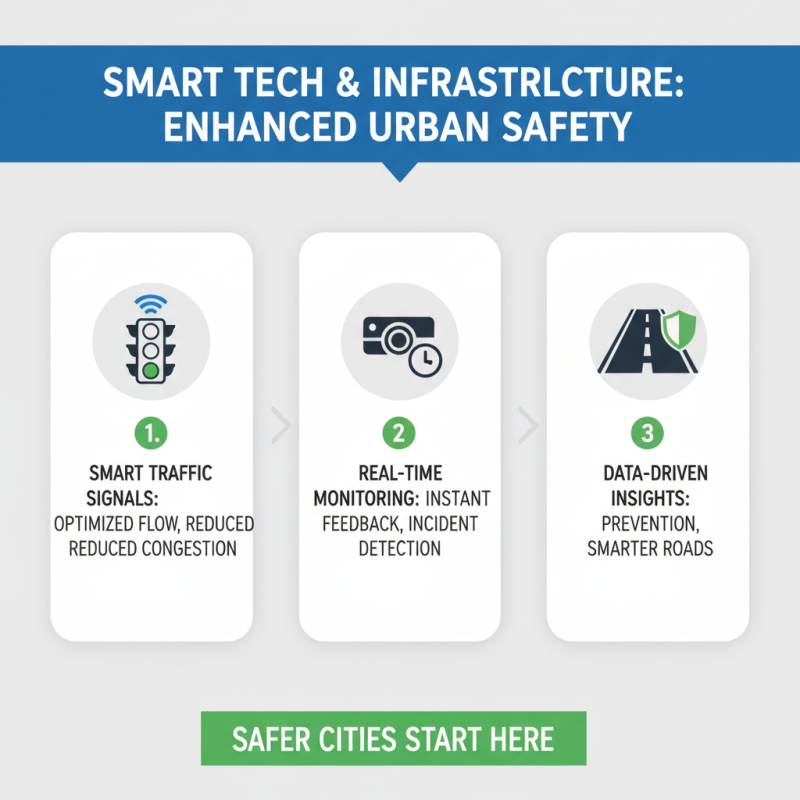
In urban areas, road safety is a significant concern. Integrating smart technology with infrastructure plays a crucial role in addressing this issue. Cities are increasingly adopting solutions like smart traffic signals and real-time monitoring to enhance safety. These technologies can reduce accidents by improving traffic flow and providing instant feedback to drivers.
Tips: Always observe traffic regulations. Even smart systems can't replace your attention.
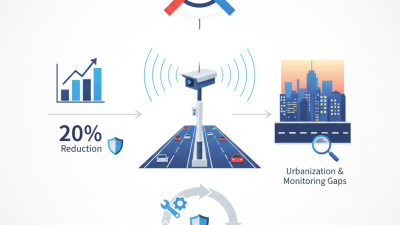
Smart cameras can detect violations and send alerts, contributing to safer streets. However, reliance on technology raises questions. What about areas with poor connectivity? Without stable internet, these systems might not function optimally. The disparity in implementation can lead to unequal safety measures across neighborhoods.
Tips: Advocate for better infrastructure in your community. Every area deserves safety improvements.
Integration of pedestrian-friendly features is just as important. Smart crosswalks, equipped with warning signals, help protect vulnerable road users. Yet, not every city has adopted these features. The challenge lies in ensuring that advancements reach every corner, not just affluent districts. Continuous evaluation and public feedback are necessary to improve urban road safety practices.
Community Engagement Strategies in Road Safety Awareness Programs
Community engagement is crucial in enhancing road safety in urban areas. Local residents often have valuable insights into traffic patterns and hazards. Engaging them in road safety discussions can lead to practical solutions. For example, community workshops can be organized to identify risky zones. Residents can share their experiences, pinpointing areas that require better signage or traffic lights.
Schools can play a significant role in raising awareness. Involving students in road safety programs fosters a sense of responsibility. Educational campaigns can be conducted, teaching children about pedestrian safety and the importance of wearing helmets. These young advocates can influence their families, multiplying the impact of safety messages. Collecting feedback from parents can provide additional perspectives.
While community engagement strategies show promise, challenges remain. Not all community members may want to participate. Some may feel disengaged or skeptical about the effectiveness of such initiatives. Ensuring diverse representation is key to overcoming these barriers. Continuous evaluation of engagement strategies is essential to make improvements. Effective road safety is a collective effort, and fostering a supportive environment encourages participation.
Policy Framework and Regulations Governing Urban Road Safety in China
China's urban road safety policies are evolving, guided by a comprehensive regulatory framework. The Ministry of Transport reports that traffic fatalities have decreased by 28% in urban areas over the past five years. However, challenges remain. The country still witnesses approximately 58,000 road traffic deaths annually, highlighting the urgent need for improved safety measures.
One effective strategy has been the implementation of the Road Traffic Safety Law. This law mandates stricter penalties for serious traffic violations. Additionally, cities like Beijing and Shanghai have trialed innovative safety technologies, such as smart traffic signals and pedestrian detection systems. These initiatives reflect a growing recognition of the importance of data-driven approaches. Yet, the integration of these technologies can often be slow and inconsistent across different regions.
Public awareness campaigns are also crucial. These programs aim to educate drivers and pedestrians about road safety. Research indicates that education can reduce accident rates by up to 40%. Despite these efforts, public compliance remains inconsistent. Many drivers still engage in risky behaviors, creating obstacles to achieving zero traffic deaths in the future. Addressing these gaps is essential for enhancing urban road safety in China.
China Best Practices for Enhancing Road Safety in Urban Areas
This chart illustrates the adoption rates of various road safety measures in urban areas of China, providing insight into the effectiveness and priority of these initiatives.