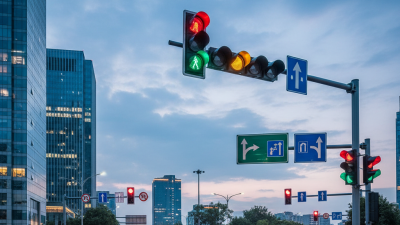
Best Traffic Signals and Road Signs You Should Know?
Traffic Signal and Road Signs play a crucial role in ensuring road safety. These visual cues guide drivers and pedestrians alike. According to Dr. James Wilkins, a leading expert in traffic engineering, "Understanding traffic signals and road signs is essential for safe navigation." His insights emphasize the importance of familiarizing oneself with these signs.
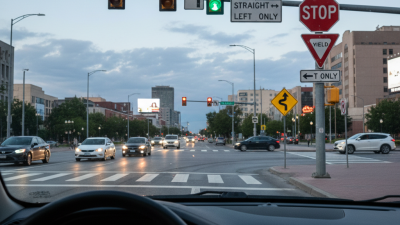
Navigating through busy intersections can be overwhelming. The variety of signs dictates the flow of traffic and provides necessary warnings. Each sign symbolizes specific rules that keep our roads orderly. Misunderstanding these signals can lead to accidents, highlighting our need for awareness.
While most drivers understand basic signals, many overlook the subtleties involved. There’s often confusion over yield signs, for instance, which can lead to hesitation or abrupt stops. Reflecting on this, we realize that ongoing education about Traffic Signal and Road Signs is vital for all road users. Ensuring safety starts with comprehension and respect for these essential elements of traffic management.
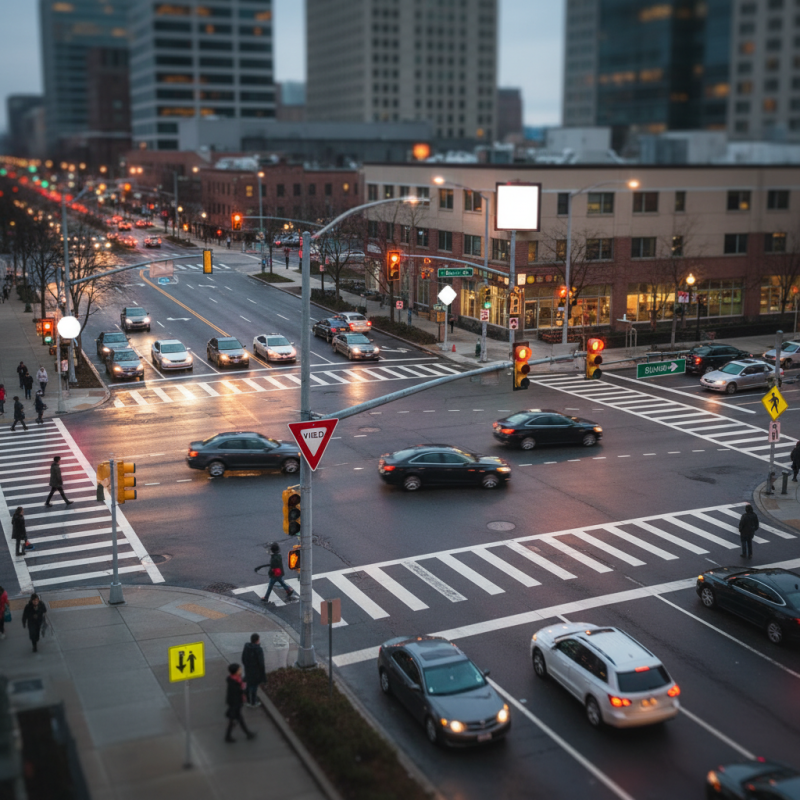
Understanding the Importance of Traffic Signals and Road Signs
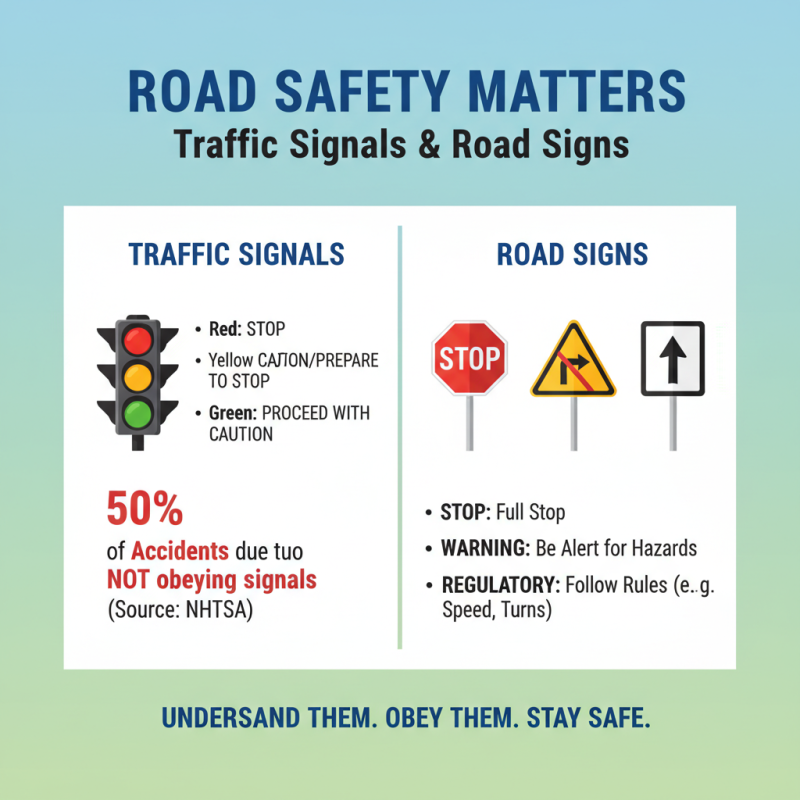
Traffic signals and road signs play a crucial role in ensuring road safety. According to the National Highway Traffic Safety Administration (NHTSA), about 50% of all traffic accidents can be attributed to a failure to obey traffic signals. This statistic emphasizes the need for drivers to be vigilant and understand the meaning behind each signal and sign they encounter.
Traffic signals manage the flow of vehicles and pedestrians. They control when it is safe to stop, go, or yield. The study conducted by the American Association of State Highway and Transportation Officials (AASHTO) highlighted that areas with clear signage and signals experience a 25% decrease in accidents. However, many drivers underestimate the impact of these signals, often ignoring them or misinterpreting their meanings. This can lead to life-threatening situations.
Road signs also convey vital information about road conditions, speed limits, and upcoming hazards. The Federal Highway Administration (FHWA) underscores that proper visibility and placement of these signs can reduce crashes significantly. Yet, factors such as fading colors or obstructions can hinder effectiveness. Acknowledging these issues is essential for improving road safety. Understanding and respecting traffic signals and road signs can ultimately save lives and prevent injuries.
Types of Essential Traffic Signals and Their Meanings
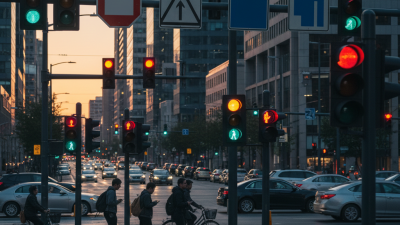
Traffic signals and road signs play a vital role in ensuring safety on our roads. Understanding their meanings can greatly enhance your driving experience. Red signals, for instance, indicate a complete stop. You must remain stationary until the light turns green. Yellow lights signal caution, alerting you to prepare to stop. Green signals mean you can proceed, but always check for pedestrians first.
Road signs are equally important. A stop sign requires a full halt. This helps you assess your surroundings before moving. Yield signs warn you to give way, often at intersections. Be aware that some signs can vary in design across regions, leading to confusion.
Tips: Always scan for road signs as you drive. They provide critical updates on speed limits and hazards. Also, remember that road signals can sometimes malfunction. Practicing patience and caution can make all the difference in ensuring safe travels. If you encounter a sign you don’t recognize, take a moment to research its meaning later. Being well-informed is key to becoming a responsible driver.
Best Traffic Signals and Road Signs You Should Know
This chart illustrates the understanding percentage of various essential traffic signals and road signs. It highlights how well drivers and pedestrians recognize the signs, which is crucial for road safety.
Common Road Signs Every Driver Should Recognize
Road signs play a crucial role in ensuring road safety. Every driver must recognize essential signs to navigate efficiently and stay safe. For instance, stop signs are vital. They indicate when to come to a complete halt. Ignoring them can lead to accidents. Speed limit signs help maintain safe driving speeds. Each limit is set based on road conditions and traffic density.
Yield signs are also important. They require drivers to give way to other vehicles. Recognizing these signs can prevent collisions at intersections. Caution signs warn about potential hazards ahead. Drivers must stay alert and ready to respond to changes in road conditions. The shapes and colors of signs carry specific meanings. Familiarity with these can enhance awareness on the road.
Many drivers may encounter confusion, especially with less common signs, such as pedestrian crossings or school zones. Not recognizing these could lead to tragic outcomes. Continuous learning about road signs is essential. Drivers should remain open to refreshing their knowledge. Regularly reviewing and understanding these signals can significantly impact road safety for everyone.
Best Traffic Signals and Road Signs You Should Know
| Sign/Signal |
Meaning |
Shape |
Color |
| Stop Sign |
Come to a complete stop |
Octagon |
Red |
| Yield Sign |
Give way to other traffic |
Triangle |
Red and White |
| Speed Limit Sign |
Maximum speed allowed |
Rectangle |
Black and White |
| No Parking Sign |
Parking not allowed |
Rectangle |
Red and White |
| Traffic Light |
Controls flow of traffic |
Circular |
Red, Yellow, Green |
| Pedestrian Crossing Sign |
Indicates area for pedestrians to cross |
Diamond |
Yellow |
Safety Tips for Interpreting Traffic Signals and Road Signs
Understanding traffic signals and road signs is crucial for safe driving. Studies indicate that a staggering
50% of traffic accidents occur due to misinterpretation of these signals. The
National Highway Traffic Safety Administration emphasizes that clear signal recognition can reduce collisions significantly. Drivers should pay close attention to specific signs like
stop,
yield,
and
speed limit indicators. Each sign communicates essential information that can prevent accidents.
When interpreting signals, be aware of the context. For example, a flashing yellow light means caution, not a complete stop. Yet, many drivers misinterpret it, leading to potentially dangerous situations. Speed limits might change based on road conditions or time of day, so consistent awareness is vital. According to a report by the
Federal Highway Administration, proper education and awareness campaigns can increase compliance with traffic regulations by up to
30%.
Furthermore, the design of a road sign plays a role in how effectively it communicates. Signs that are too small or poorly placed can lead to confusion. Drivers should always be mindful of their surroundings, adjusting their driving according to the signals displayed. This creates an environment of
safety for everyone on the road.
The Role of Traffic Signs in Road Safety and Navigation
Traffic signs play a critical role in maintaining road safety and guiding drivers effectively. According to the Federal Highway Administration, about 50% of all accidents occur at intersections, where clear signage is crucial. Stop signs, yield signs, and traffic lights provide essential information, reducing the chances of collisions. Signs that are faded or improperly placed can lead to confusion. In fact, the National Highway Traffic Safety Administration (NHTSA) estimates that approximately 1,000 fatalities each year are linked to poor signage.
Proper road signage also enhances navigation. Clear and well-placed directional signs assist drivers in making timely decisions. A study revealed that well-marked streets can improve traffic flow by up to 20%. However, there's room for improvement. Many urban areas struggle with cluttered signage, which can overwhelm drivers. Inconsistent use of symbols can lead to misinformation. Continuous evaluation and updates of road signs are necessary. Digital platforms can assist in this endeavor, offering real-time updates to help inform drivers of changes or hazards ahead. Engaging communities in discussions about their road signage can also provide invaluable insights.