10 Best Traffic Signal Innovations You Need to Know?
Traffic signals are essential for urban mobility. They control traffic flow and ensure safety on the roads. However, traditional traffic signal systems often face challenges. Often, they can lead to congestion and frustration for drivers and pedestrians alike.
Innovations in traffic signal technology promise to improve our commuting experience. From smart traffic lights that adapt to real-time conditions, to pedestrian detection systems, the advancements are exciting. They aim to reduce wait times and enhance safety. Yet, these technologies can also create complexities.
Imagine a smart traffic signal that communicates with vehicles. It can optimize traffic flow and reduce emissions. But can it really solve all our problems? As cities grow, the demand for efficient traffic management increases. Exploring these innovations reveals potential benefits and challenges that deserve reflection. Understanding these traffic signal advancements is crucial for shaping our future roads.
The Evolution of Traffic Signal Technology: A Historical Overview
Traffic signal technology has evolved significantly over the years, shaping how cities manage vehicular and pedestrian movement. Initially, traffic signals used simple red and green lights. This system emerged in the early 1900s. By the 1920s, the addition of yellow lights introduced the concept of caution. However, these innovations were not without flaws. Early signals often malfunctioned, leading to accidents.
In recent years, the development of smart traffic signals has transformed daily commutes. Data from the Institute of Transportation Engineers shows that smart signals can improve traffic flow by 30%. These systems use sensors to detect traffic patterns, adjusting light timing in real-time. Despite these advancements, challenges remain. In areas lacking infrastructure, recent upgrades are difficult to implement. Many older systems still operate without technological enhancements.
Another concern is interoperability. Many cities deploy different systems that don't communicate. This lack of coordination can create traffic jams, undermining the effectiveness of new technologies. A survey by the American Society of Civil Engineers found that over 40% of traffic signals in the U.S. are outdated. As cities grow, so does the need for innovation and reflection on existing practices. Keeping traffic safe and efficient requires continuous improvement.
Key Innovations Transforming Traffic Signal Systems in Urban Areas
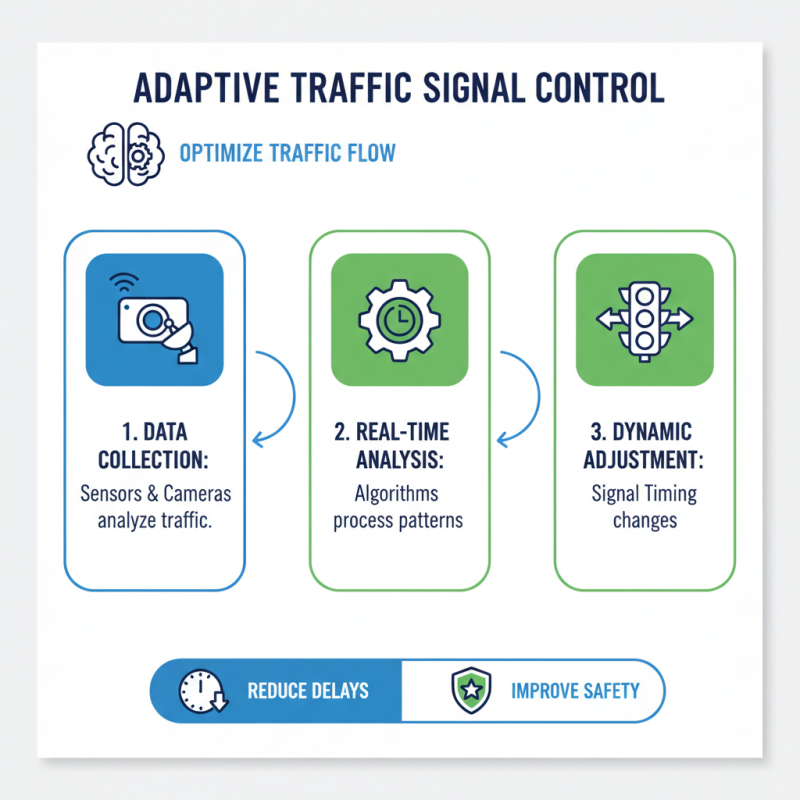
Urban traffic systems are evolving rapidly. Innovations in traffic signals play a crucial role in this transformation. For instance, adaptive signal control technology adjusts timing based on real-time traffic conditions. According to a recent report by the Institute of Transportation Engineers, cities implementing adaptive signals can reduce travel delays by up to 30%. This technology enhances traffic flow, making commutes faster and safer.
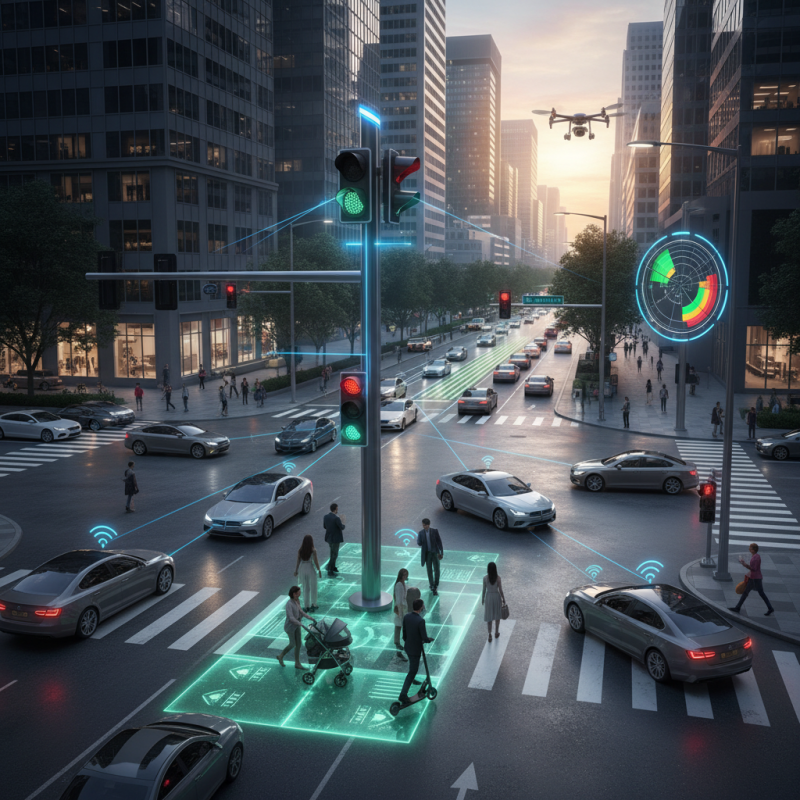
Another exciting development is the integration of pedestrian detection systems. These systems use sensors to identify when people are present at crosswalks. A study from the Transportation Research Board found that these signals can decrease pedestrian accidents by 20%. This is a significant improvement in urban areas where pedestrian safety is a priority.
Tips: Consider how your city uses technology for traffic management. Review local traffic patterns. Engaging community discussions about proposed traffic innovations can lead to improved designs. Reflect on how effectively your area adapts to these changes. Urban traffic systems are not perfect, but with innovative solutions, they can become significantly more efficient.
Smart Traffic Signals: Leveraging AI to Optimize Traffic Flow
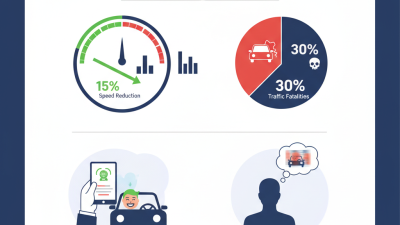
Smart traffic signals are transforming urban mobility. They use artificial intelligence (AI) to enhance traffic flow efficiency. According to industry studies, cities can reduce congestion by 30% with these systems. They analyze real-time traffic data, adjusting signals dynamically. This helps to minimize wait times and streamline vehicle movement.
Integrating AI into traffic signals also allows for predictive modeling. These systems can foresee congestion patterns based on historical data. By understanding peak hours, cities can prevent bottlenecks and improve overall road safety. Reports suggest that such advancements could lead to a reduction in traffic accidents by up to 20%.
**Tip:** Ensure your local authorities are investing in smart technologies. Regular updates and maintenance of these systems are crucial for optimal performance.
While smart signals promise significant advancements, challenges remain. Implementation costs can be high. Additionally, the effectiveness depends on complete infrastructure upgrades. Cities must be cautious of pitfalls while enjoying the benefits of innovation.
**Tip:** Engage with community feedback during project planning. Understanding public concerns can lead to better solutions.
Traffic Signal Innovations: Impact on Traffic Flow
Future Trends in Traffic Signal Technology: Sustainability and Safety Improvements
Traffic signal technology has seen remarkable advancements recently. The focus has shifted toward sustainability and safety improvements. This approach aims to reduce carbon footprints and enhance pedestrian safety. One innovative design is solar-powered signals. These reduce energy costs and environmental impact. With better energy efficiency, cities can combat climate change more effectively.
Tips for cities considering upgrades: assess energy use first. Understanding current consumption illuminates where improvements are possible. Collaborative planning with local communities can enhance safety features. Involving residents fosters trust and ensures practical solutions for all users.
Improvements in traffic signal systems also rely on real-time data. Sensors can detect traffic volume and adjust signals accordingly. However, challenges remain. Not all areas have reliable internet connectivity. Some communities might struggle to adapt to new technologies. Continuous education is vital to ensure safety. Knowledge-sharing between urban planners and city dwellers builds resilient systems.