2026 Top Innovations in Traffic Signal Technology for Smart Cities?
In the evolving landscape of smart cities, effective Traffic Signal technology is crucial for enhancing urban mobility. A recent report by the International Transportation Forum highlights that traffic congestion costs cities an estimated $74 billion annually in lost productivity. Experts believe that innovative solutions can mitigate these issues.
Dr. Emily Zhang, a leading figure in traffic management systems, asserts, "Smart Traffic Signals can significantly reduce wait times and improve traffic flow." As urban populations grow, cities must invest in adaptive signal technologies. These systems can respond to real-time traffic conditions, leading to safer streets and reduced emissions.
However, challenges remain. Implementation costs can deter some municipalities. Moreover, the integration of various technologies can be complex, risking unforeseen complications. Encouragingly, investments in research and development are paving the way for more intuitive Traffic Signal systems. As we look toward 2026, the potential for transformative innovations becomes clearer, even as cities must reflect on their current strategies and initiatives.
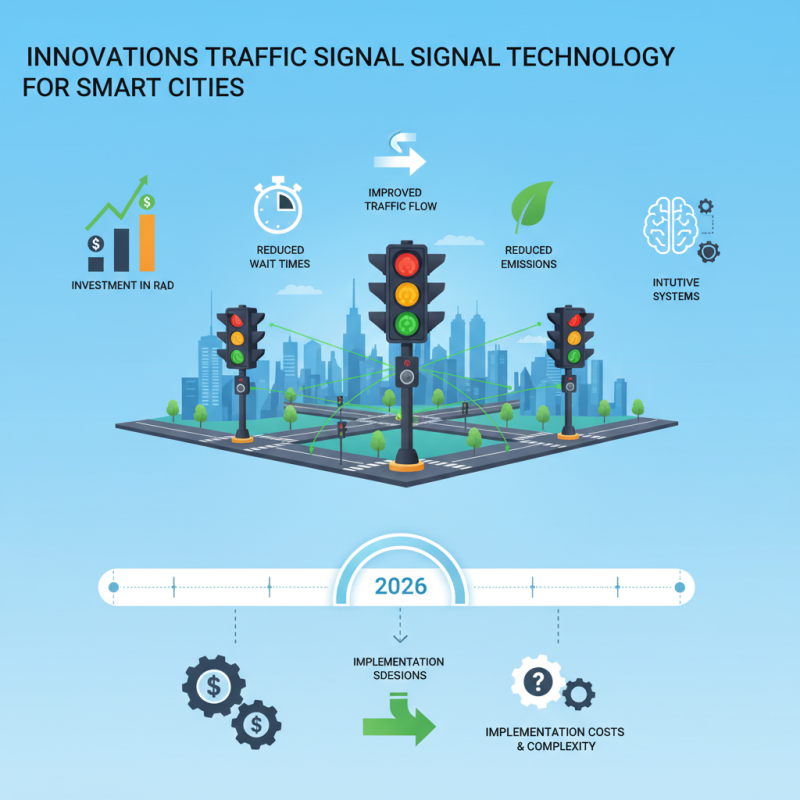
Overview of Traffic Signal Technology Innovations for Smart Cities
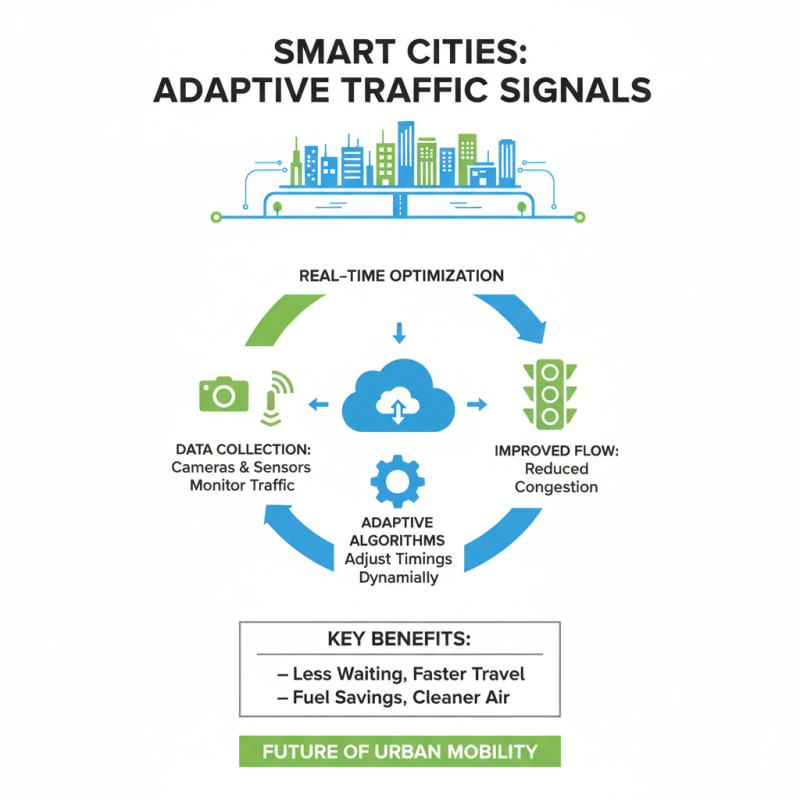
The landscape of traffic signal technology is evolving rapidly, driven by the need for smarter, more efficient cities. Innovations in this field include adaptive signal control systems. These systems adjust traffic light timings based on real-time traffic conditions. For instance, cameras and sensors collect data on vehicle flow. This information helps reduce congestion and improve traffic flow.
Another exciting development is the integration of vehicle-to-infrastructure (V2I) communication. This technology allows vehicles to interact with traffic signals. Cars can receive alerts about signal changes, enhancing driver awareness. Yet, this innovation raises questions about data privacy and security. How do we ensure the safety of this information?
Additionally, pedestrian safety features are becoming central to traffic signal design. Smart signals now prioritize pedestrian crossings. They may include countdown timers and visual signals. These elements create a more inclusive environment. However, there is still much to learn on balancing traffic efficiency with pedestrian needs.
Key Features of 2026 Traffic Signal Systems in Urban Environments
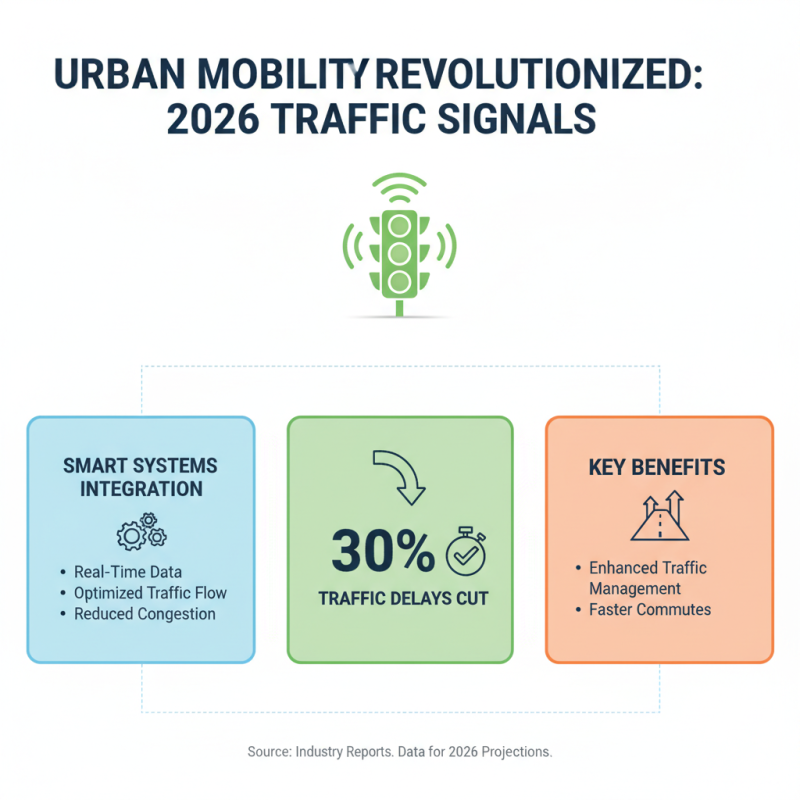
In 2026, traffic signal technology is set to revolutionize urban mobility. The integration of smart systems will enhance traffic management significantly. These advanced traffic signals use real-time data to optimize flow and reduce congestion. According to industry reports, cities could see traffic delays cut by up to 30% with these innovations.
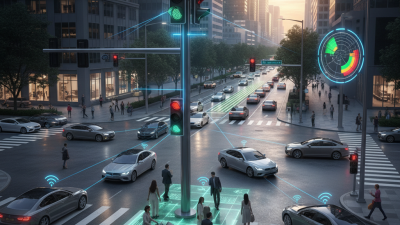
New features include adaptive signals that adjust based on current traffic conditions. They utilize sensors and AI to predict patterns. This proactive approach can enhance pedestrian safety, making travel easier for everyone. Visual indicators will also warn drivers about upcoming changes. Such features aim to improve overall road safety and efficiency.
**Tip:** Regularly evaluate how your city implements these technologies. Are they addressing the unique needs of your community? Engaging with residents can provide valuable insights into effectiveness.
Urban areas will also benefit from better interconnectivity. When traffic signals communicate with vehicles, the flow can improve. However, it's crucial to consider the privacy implications. Balancing innovation with ethical practices must be a priority for smart city planners.
**Tip:** Monitor data use. Transparency in data collection fosters trust and ensures better interaction with smart systems.
Integration of AI and Machine Learning in Traffic Signal Management
The integration of AI and machine learning in traffic signal management is transforming urban mobility. These technologies analyze real-time traffic data. They adapt signal timings dynamically to improve traffic flow. Imagine intersections with sensors that can detect vehicle density. They can change signals based on immediate road conditions. This responsiveness minimizes congestion and reduces emissions.
Consider the impact of predictive analytics. Systems can forecast traffic patterns based on historical data. They learn from past behaviors and adjust signals accordingly. For example, during peak hours, traffic signals could extend green lights. This approach could reduce stops and starts, minimizing frustration for drivers.
Tips for cities: Invest in reliable data sources. Make sure to include diverse datasets. Blend traffic counts, weather data, and event schedules for the best results. Start small; pilot programs can test these technologies in specific areas. Adjust based on feedback and performance metrics. This iterative approach allows for continuous improvement, ensuring the system evolves with city needs.
2026 Top Innovations in Traffic Signal Technology for Smart Cities
| Innovation |
Description |
Impact on Traffic |
Key Technology |
Deployment Status |
| Adaptive Signal Control |
Adjusts the timing of signal lights based on real-time traffic conditions. |
Reduces congestion and improves traffic flow. |
AI and Machine Learning |
Pilot Programs |
| Connected Signal Networks |
Signals communicate with each other and vehicles to optimize patterns. |
Enhances overall system efficiency and reduces travel times. |
V2X Communication |
Planning Stage |
| Emergency Vehicle Preemption |
Automatically alters traffic signals to provide priority for emergency vehicles. |
Speeds up response times and improves safety for all road users. |
Real-Time Data Processing |
Implementation Phase |
| Pedestrian Detection Systems |
Uses cameras and sensors to detect pedestrians at crossings. |
Increases safety for pedestrians by optimizing signal timings. |
Computer Vision Technology |
In Use |
| Data-Driven Traffic Management |
Utilizes big data to make informed decisions about traffic signals and patterns. |
Enhances predictive capabilities and resource allocation. |
Analytics Platforms |
Research Stage |
Impact of Real-Time Data on Traffic Signal Efficiency and Safety
The integration of real-time data into traffic signal systems is revolutionizing urban mobility. These systems utilize information from various sources, including sensors and cameras, to apply adaptive signal control. Such a strategy enables signals to respond immediately to traffic conditions. For instance, during peak hours, signals can adjust to minimize wait times, enhancing overall efficiency.
In many cases, however, the implementation of this technology is not without challenges. Cities must invest in infrastructure and ensure systems are reliable. Technical glitches can lead to traffic congestion or accidents. Additionally, not all cities have the tech-savvy resources to handle this shift smoothly. Balancing innovation with practicality remains a pressing concern.
Data privacy is another sensitive issue. Real-time data collection can make some citizens uneasy. Transparency is crucial to earn public trust. While benefits are evident, one must carefully consider the social implications of monitoring traffic behaviors. Ultimately, leveraging real-time data presents both opportunities and obstacles for smarter, safer urban environments.
2026 Innovations in Traffic Signal Technology
Sustainability and Eco-Friendly Practices in Traffic Signal Design
As cities evolve into smart environments, traffic signal technology plays a vital role. The focus is shifting towards sustainability. Eco-friendly practices are becoming essential in traffic signal design. Using solar panels for power is one promising trend. These panels help reduce carbon footprints while ensuring efficient energy use. They can significantly lower the dependency on traditional power sources.
Another aspect to consider is materials. Innovating with recycled materials is crucial for sustainable traffic signals. This not only conserves resources but also promotes environmentally responsible production. Additionally, traffic signals can be equipped with LEDs. These consume less energy and have a longer lifespan than conventional bulbs.
However, there are challenges. Many cities lack the infrastructure to support these innovations. Budget constraints often hinder the implementation of eco-friendly technologies. There is a need for better planning and collaboration among stakeholders. Emphasizing the long-term benefits could help shift perspectives. Rethinking our approach is essential to create smarter, greener cities.